
Multicultural Layered Cake: A Celebration of Global Flavors in Every Slice
A Multicultural Layered Cake is more than just a dessert — it is a delicious symbol of unity, diversity, and creativity. By combining flavors, colors, and techniques inspired by different cultures around the world, this cake transforms a traditional layered dessert into an edible celebration of global heritage.
Whether you are hosting an international-themed party, celebrating cultural diversity, or simply love experimenting with flavors from around the world, a multicultural layered cake makes a stunning centerpiece. In this comprehensive guide, you will discover the origins of layered cakes, how to design a multicultural version, flavor combinations from different regions, step-by-step baking instructions, decorating ideas, and expert tips for perfect results.
What Is a Multicultural Layered Cake?
A multicultural layered cake is a multi-tiered or multi-layer cake where each layer represents a different culture through flavor, ingredients, or design. Instead of repeating the same cake and frosting combination, each layer brings a unique international twist.
For example:
- A matcha green tea sponge inspired by Japan
- A tres leches layer inspired by Latin America
- A cardamom pistachio cake inspired by the Middle East
- A dark chocolate espresso layer inspired by Europe
The layers are stacked together with complementary fillings and frostings, creating a harmonious blend of global flavors in one beautiful dessert.
The History of Layered Cakes
Layered cakes have been popular for centuries. In Europe, elaborate multi-tiered cakes became common in the 17th and 18th centuries as baking techniques advanced. Over time, cultures around the world developed their own iconic cake styles.
Some examples include:
- Germany’s Black Forest cake
- Italy’s tiramisu
- Mexico’s tres leches cake
- Japan’s light sponge cakes
- India’s cardamom and saffron-infused sweets
The multicultural layered cake builds on this history by blending these influences into one cohesive dessert.
Why Choose a Multicultural Layered Cake?
1. Unique Flavor Experience
Each slice delivers multiple flavor profiles, creating depth and excitement in every bite.
2. Visual Appeal
Different colored layers create a dramatic cross-section when sliced.
3. Perfect for Celebrations
It’s ideal for international festivals, weddings, cultural events, school functions, or global-themed gatherings.
4. Symbol of Unity
This cake beautifully represents how different traditions can come together to create something extraordinary.
Popular Global Flavor Inspirations
Here are some culturally inspired cake layers you can incorporate:
1. Japan – Matcha Green Tea Layer
- Soft vanilla sponge infused with premium matcha powder
- Light sweetness with earthy undertones
2. Mexico – Tres Leches Layer
- Light sponge soaked in sweet milk mixture
- Extra moist and creamy texture
3. Middle East – Pistachio Cardamom Layer
- Ground pistachios folded into batter
- Warm, aromatic cardamom flavor
4. France – Chocolate Ganache Layer
- Rich cocoa sponge
- Silky dark chocolate ganache filling
5. India – Saffron Rose Layer
- Saffron-infused milk
- Subtle rosewater aroma
6. Italy – Espresso Almond Layer
- Coffee-flavored sponge
- Almond flour for added texture
7. United States – Classic Vanilla Butter Cake
- Buttery base layer
- Smooth vanilla buttercream
You can mix and match these flavors depending on your preference.
How to Make a Multicultural Layered Cake (Step-by-Step)
Below is a simplified guide to creating a 4-layer multicultural cake at home.
Ingredients (Base Sponge Recipe for Each Layer)
- 2 cups all-purpose flour
- 1 ½ cups sugar
- ½ cup unsalted butter (softened)
- 1 cup milk
- 3 eggs
- 2 teaspoons baking powder
- 1 teaspoon vanilla extract
Add cultural flavor variations to each layer separately.
Step 1: Prepare Each Layer Individually
Divide your batter into four equal portions. Flavor each portion differently:
- Add matcha powder to one portion.
- Add espresso powder to another.
- Add ground pistachios and cardamom to the third.
- Leave one plain vanilla or infuse with saffron milk.
Bake each layer in separate pans at 350°F (175°C) for 20–25 minutes.
Allow layers to cool completely before assembling.
Step 2: Prepare Complementary Fillings
Choose fillings that connect flavors smoothly:
- Vanilla buttercream
- Cream cheese frosting
- Chocolate ganache
- Whipped mascarpone
- Rose-flavored whipped cream
Step 3: Assemble the Cake
- Level each cake layer using a serrated knife.
- Place the first layer on a cake board.
- Spread an even layer of frosting.
- Add the second layer and repeat.
- Continue stacking until all layers are assembled.
- Apply a thin crumb coat and chill for 30 minutes.
- Add a final smooth layer of frosting.
Step 4: Decorate with Cultural Elements
Decorating is where the multicultural theme truly shines.
Ideas include:
- Edible gold leaf for Middle Eastern elegance
- Matcha powder dusting for Japanese flair
- Chocolate curls for European sophistication
- Fresh berries for a Western touch
- Floral piping inspired by Indian or French patisserie
You can also divide the exterior design into sections representing different cultures.
Tips for Flavor Harmony
Combining multiple global flavors requires balance.
Keep Sweetness Consistent
If one layer is very sweet (like tres leches), balance it with a less sweet layer such as matcha or dark chocolate.
Use Neutral Frosting as a Bridge
Vanilla buttercream or whipped cream can unify strong flavors.
Avoid Overpowering Spices
Use aromatic spices like cardamom and saffron sparingly.
Maintain Texture Balance
Combine moist layers with lighter sponges to prevent the cake from becoming too dense.
Storage and Serving Tips
- Refrigerate the cake if using dairy-based frosting.
- Allow it to sit at room temperature for 20–30 minutes before serving.
- Use a sharp knife dipped in warm water for clean slices.
- Store leftovers in an airtight container for up to 3–4 days.
For longer storage, individual slices can be frozen for up to one month.
When to Serve a Multicultural Layered Cake
This cake is perfect for:
- International festivals
- Cultural heritage celebrations
- Graduation parties
- Weddings
- School multicultural events
- Global-themed birthdays
It also works beautifully as a conversation starter at dinner parties.
Nutritional Considerations
A multicultural layered cake is a rich dessert. Depending on ingredients, one slice may contain:
- 350–600 calories
- 15–30 grams of fat
- 40–70 grams of carbohydrates
You can make lighter versions by:
- Using reduced-sugar recipes
- Substituting Greek yogurt for some butter
- Using whipped cream instead of buttercream
- Reducing portion sizes
Creative Variations
Vegan Multicultural Cake
Use plant-based milk, flax eggs, and vegan butter substitutes.
Gluten-Free Option
Substitute gluten-free flour blends in the base recipe.
Mini Multicultural Cake Cups
Bake layers thin and assemble in clear cups for individual servings.
Flag-Inspired Layers
Color layers to represent global unity themes or specific cultural events.
Why Multicultural Desserts Matter
Food is one of the most powerful ways to connect people across cultures. A multicultural layered cake celebrates diversity through taste, texture, and presentation. It reminds us that different traditions can blend beautifully when combined thoughtfully.
Sharing this cake at gatherings promotes inclusivity and curiosity about global cuisines. It encourages conversations about heritage, traditions, and culinary artistry.
Final Thoughts
A Multicultural Layered Cake is not just a dessert — it is a statement. By combining flavors from around the world into one elegant layered masterpiece, you create something that is visually stunning, deeply flavorful, and culturally meaningful.
Whether you choose matcha from Japan, pistachio from the Middle East, espresso from Italy, or tres leches from Mexico, each layer adds its own story. When stacked together, they form a symbol of unity and creativity.
If you are looking for a show-stopping cake that goes beyond the ordinary, this globally inspired layered dessert is the perfect choice. With careful planning, balanced flavors, and thoughtful decoration, your multicultural layered cake will impress guests and celebrate the beauty of diversity — one delicious slice at a time.
Print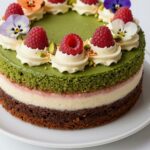
Multicultural Layered Cake
Description
Bring the world to your table with this Multicultural Layered Cake: matcha from Japan, cardamom & rose from the Middle East, and a cocoa-chile kick from Latin America — finished with a zesty mascarpone frosting. 🌍🎂
Ingredients
– 300g plain flour 🌾
– 300g caster sugar 🍚
– 225g unsalted butter, softened 🧈
– 4 large eggs 🥚🥚🥚🥚
– 240ml milk 🥛
– 2 tsp baking powder 🧂
– 1/2 tsp salt 🧂
– 1 tsp vanilla extract 🌿
– 2 tbsp matcha powder (for green layer) 🍵
– 1 tsp ground cardamom + 1 tbsp rose water (for fragrant layer) 🌺
– 2 tbsp unsweetened cocoa powder + 1/4 tsp chili powder (for chocolate-chile layer) 🌶️🍫
– 300g mascarpone cheese 🧀
– 200ml heavy cream (cold) 🥛
– 120g powdered sugar (icing sugar) 🍥
– Zest and juice of 1 lime 🍋
– 50g toasted shredded coconut 🥥
– 50g chopped pistachios � pistachio
– 150g fresh raspberries (or seasonal berries) 🍓
– Edible flowers or extra pistachios for decoration 🌸
Instructions
1 Préchauffez le four à 180°C (350°F). Graissez et chemisez trois moules ronds de 20 cm ou utilisez une seule plaque et cuisez en séries. (Note: oven instruction left in English for clarity.)
2 Dans un grand bol, crémez le beurre avec le sucre jusqu’à obtenir une consistance légère et mousseuse.
3 Ajoutez les œufs un par un, en battant bien après chaque ajout, puis incorporez la vanille.
4 Tamisez la farine avec la levure et le sel. Ajoutez alternativement le mélange de farine et le lait au mélange beurre-sucre, en commençant et en finissant par la farine. Mélangez jusqu’à homogénéité.
5 Divisez la pâte en trois bols égaux.
6 Préparez la couche matcha : incorporez 2 c. à soupe de matcha en poudre dans le premier bol et mélangez bien jusqu’à une couleur homogène.
7 Préparez la couche cardamome-rose : ajoutez 1 c. à café de cardamome moulue et 1 c. à soupe d’eau de rose au deuxième bol et mélangez.
8 Préparez la couche cacao-chili : tamisez 2 c. à soupe de cacao et 1/4 c. à café de poudre de chili dans le troisième bol et mélangez jusqu’à obtenir une pâte uniforme.
9 Répartissez les pâtes dans les moules préparés (ou cuisez en séries). Enfournez 20–25 minutes, ou jusqu’à ce qu’un cure-dent en ressorte propre. Si vous cuisez en séries, surveillez la cuisson et adaptez le temps.
10 Laissez refroidir les gâteaux 10 minutes dans les moules puis démoulez sur une grille pour refroidir complètement (30–40 minutes).
11 Pendant que les couches refroidissent, préparez le glaçage : fouettez la crème froide jusqu’à obtenir des pics mous. Dans un autre bol, fouettez le mascarpone avec le sucre glace et le zeste + jus de lime, puis incorporez délicatement la crème fouettée jusqu’à obtenir une crème légère et tartinable.
12 Si les bords des couches sont irréguliers, égalisez-les avec un couteau dentelé pour un montage net.
13 Placez la couche chocolat-chile sur le plat de service, étalez une couche de glaçage, puis posez la couche cardamome-rose et répétez. Terminez par la couche matcha sur le dessus.
14 Couvrez le gâteau avec le reste du glaçage, lissez ou créez un effet rustique selon votre goût.
15 Décorez le dessus avec la noix de coco toastée, les pistaches hachées, les framboises fraîches et des fleurs comestibles.
16 Réfrigérez 1 heure pour raffermir le glaçage avant de trancher. Servez à température ambiante et profitez d’une bouchée qui voyage à travers les saveurs du monde.