
Introduction
A modern twist on a classic:
Transforming the comforting warmth of carrot cake into a handheld cookie is one of those small kitchen joys that feels both nostalgic and delightfully new. As a professional recipe creator I love bridging textures — the pillowy, spiced cookie base and the decadently tangy frosting create a tiny package of contrasts that performs beautifully at coffee hours, potlucks, and as a thoughtful homemade gift.
This recipe leans into layered flavor: warm spices, a whisper of sweet carrot, the nuttiness from toasted butter, and the bright tang of cream cheese. I approach every recipe with two priorities: clear technique and maximum flavor. In this project I focused on ensuring the cookie remains soft and slightly cakey in the center while developing a frosting that reads rich and nutty without being greasy.
Read on and you’ll find approachable techniques, little adjustments to elevate texture, and ideas for serving and storing that keep these cookies tasting freshly made. Whether you’re baking for a crowd or experimenting with a new frosting method, this recipe is built to be forgiving — and to reward small attentions with big flavor.
I’ll walk through ingredient choices, why brown butter matters here, and how to manage timing so your cookies and frosting are each at their optimal state when you assemble them.
Why You’ll Love This Recipe
Comfort meets convenience:
This recipe takes everything people adore about carrot cake and streamlines it into a handheld format that’s easier to share and to portion control. From a food blogger’s perspective, these cookies are ideal because they showcase technique without demanding specialized equipment. The brown butter frosting offers a subtle depth that transforms the familiar into something a touch more sophisticated.
What makes these cookies special is how forgiving they are in real kitchens: the dough scoops easily, the cookies remain tender even when baked on different sheet pans, and the frosting is adjustable in consistency for piping or spreading. For hosts and bakers who want to prep parts ahead of time, elements of the recipe can be made in stages without degrading quality.
There’s also a textural play: a soft cookie base contrasted with a creamy top and an optional crunchy pecan finish. That triad — soft, creamy, crunchy — appeals to a broad audience and photographs beautifully for social sharing. If you love small-format sweets that pack classic flavor into a neat bite, these cookies will quickly become a repeat order in your baking rotation.
Flavor & Texture Profile
Taste and mouthfeel, broken down:
The cookie itself is warm and spiced: cinnamon acts as the backbone, supporting the natural sweetness and vegetal brightness of finely shredded carrot. The crumb is intentionally on the more tender side, leaning toward cake-like rather than crisp, which makes each bite feel indulgent while remaining light.
The frosting introduces layered richness via the brown butter element — browned butter imparts toasted, nutty, caramelized notes that deepen the sweet-tang of cream cheese without overwhelming it. The resulting frosting is creamy and luxurious, providing a cooling counterpoint to the warm cookie.
If you include the chopped pecans, you’ll get a welcome crunch and a slightly bitter edge that balances the sweets. Texture-wise, aim for a thin, even layer of frosting so the cookie’s softness remains accessible rather than being dominated by a heavy top.
For mouthfeel adjustments:
- Add a few extra shreds of carrot if you prefer a denser, moister bite.
- Chill the frosting briefly if you want it firmer for piping details.
- Toast pecans lightly to intensify their aroma and crunch.
These small tweaks let you tailor the final texture without altering the core flavors.
Gathering Ingredients
What you’ll need to assemble before baking:
Organizing mise en place saves time and prevents overmixing. Lay everything out so dry items are grouped, wet items are grouped, and the perishable frosting elements are kept cool until use. Below is the explicit ingredient list to follow precisely for the recipe outcome.
- 2 ¾ cups all-purpose flour (spooned and leveled)
- 1 teaspoon baking soda
- ½ teaspoon salt
- 2 ½ teaspoons ground cinnamon
- 1 cup unsalted butter (2 sticks), room temperature
- ¾ cup granulated sugar
- ¾ cup dark brown sugar
- 2 teaspoons vanilla extract or vanilla paste
- 2 eggs, room temperature
- 1 ½ cups finely shredded fresh carrots
- ½ cup unsalted butter (1 stick) for frosting
- 4 ounces cream cheese, softened
- 6 cups powdered sugar (confectioners’)
- 2 teaspoons vanilla extract for frosting
- 4–8 tablespoons milk (to adjust frosting consistency)
- ½ cup pecans, finely chopped (optional)
Arrange bowls and measuring tools on your counter so that transferring ingredients is simple; this reduces the temptation to overwork the dough and helps you maintain a tender cookie texture.
Preparation Overview
Plan first, bake confidently:
Before you start, think in stages: dry mix, creaming, fold-in, portioning, baking, cooling, and finally frosting. Each stage has a specific role in the final texture and flavor. For example, the creaming stage builds air and structure; gentle folding protects that structure while incorporating delicate shredded carrot.
A few practical strategies I use when developing a recipe like this:
- Keep perishable frosting ingredients slightly cool until you’re ready to brown the butter — temperature control helps with smooth blending.
- Use a consistent scoop so that each cookie bakes evenly and finishes at the same time.
- Avoid overmixing once dry ingredients meet wet — overworked dough yields a tougher crumb.
If you anticipate baking multiple batches, rotate baking sheets between racks and allow hot pans to cool briefly to prevent accelerated browning. I also recommend arranging a clean cooling surface and a piping or spreading setup ahead of time so assembly feels effortless. These organizational details make a big difference when producing a large batch for guests or photos.
Cooking / Assembly Process
Step-by-step instructions:
Follow these steps in order to achieve the intended result. The step list below contains the full procedural instructions for both cookie baking and frosting preparation.
- Preheat the oven to 350°F (175°C). Line baking sheets with parchment paper and set aside.
- In a medium bowl, whisk together the flour, baking soda, salt, and ground cinnamon until evenly combined.
- In a stand mixer or large bowl with an electric mixer, cream the room-temperature butter with the granulated and dark brown sugars on medium speed for 3–4 minutes, until light and fluffy.
- Add the vanilla and eggs (one at a time if you like), mixing until fully incorporated.
- Fold in the finely shredded carrots until evenly distributed throughout the batter.
- Gradually add the dry ingredients to the wet mixture and mix on low speed until no flour streaks remain. Do not overmix.
- Use a cookie scoop (about 1.5 tablespoons) to portion dough onto the prepared baking sheets, spacing cookies about 2 inches apart.
- Bake in the preheated oven for 12–14 minutes, or until the tops look nearly dry and the cookies give slightly when touched.
- Remove the cookies from the oven and transfer to a cooling rack or a clean sheet pan to cool completely before frosting.
- To make the brown butter: melt ½ cup butter in a small saucepan over medium heat, stirring frequently. Once melted, continue cooking and stirring until the butter turns a deep golden color and brown flecks form on the bottom (about 1–3 minutes more). Remove from heat and let cool briefly.
- In a mixing bowl, beat the softened cream cheese and the slightly cooled brown butter together, starting on low and increasing to medium until smooth and combined.
- Add the 2 teaspoons vanilla, then add the powdered sugar a little at a time, mixing until incorporated. The mixture will be dry at first.
- Add milk, one tablespoon at a time, until the frosting reaches a smooth, spreadable consistency (use 4–8 tablespoons as needed).
- When cookies are completely cool, spread or pipe the brown butter cream cheese frosting onto each cookie.
- If desired, sprinkle chopped pecans over the frosting for crunch and garnish.
- Serve immediately or store cookies in an airtight container in the refrigerator for up to 4 days; bring to room temperature before serving if chilled.
As you work through these steps, watch for visual cues — such as the golden flecks in browned butter and the nearly-dry cookie tops — which are more reliable than timing alone when conditions in your kitchen vary.
Serving Suggestions
Ways to enjoy and present these cookies:
These cookies are a crowd-pleaser and adapt well to different serving contexts. For a cozy tea or coffee service, arrange them on a simple tray with neutral linens to let the cookies’ warm hues stand out. If you’re gifting, stack two or three in a small box with parchment dividers and a ribbon — the portability is one of this format’s best features.
For more elevated presentation, use a piping bag fitted with a round tip to introduce a neat frosting dot on each cookie and finish with a single pecan half or a tiny dusting of ground cinnamon. If you prefer a rustic look, lightly spread the frosting with an offset spatula and scatter chopped pecans by hand for a homey, textured finish.
Pairing ideas include a bright, medium-roast coffee to balance the brown butter’s toasted notes, or a milky chai that complements the underlying spice. For seasonal gatherings, add a garnish like a tiny candied orange zest strip to echo citrus-forward cocktails or warm apple ciders. The versatility of these cookies makes them suitable for casual snacking, dessert buffets, or packaged cookies for friends.
Storage & Make-Ahead Tips
Prep ahead without losing quality:
One of the practical joys of this recipe is how well components keep when prepared in stages. You can portion dough and freeze the scoops on a tray, then transfer them to a sealed container for longer storage. When ready to bake, arrange frozen scoops on a parchment-lined sheet and allow them a brief extra minute or two in the oven to come up to temperature so they bake through evenly.
The frosting benefits from being made shortly before assembly but it also responds well to brief chilling. If your frosting becomes too soft, chill it until it firms slightly, then whisk briefly to return it to a spreadable texture. Conversely, if it’s too thick, add a small splash of milk and whisk until smooth.
For transport, assemble cookies and separate layers with parchment squares to protect the frosting. If you need to store them for a longer stretch, freeze assembled cookies in a single layer, then stack with parchment sheets. Thaw gently at room temperature so the frosting softens evenly. These tactics preserve the balance of soft cookie and creamy frosting so each bite feels freshly made even after storage.
Frequently Asked Questions
Common questions and quick answers:
- Can I substitute oil for butter in the cookies?
Butter contributes structure, flavor, and moisture in a way that oil does not replicate exactly; swapping to oil will change the crumb and reduce the toasted, rich notes that are part of the recipe’s appeal. - How do I get evenly sized cookies?
Use a consistent cookie scoop and rotate pans during baking so batches brown uniformly; this keeps the ensemble cohesive for serving or photographing. - Is brown butter difficult to make?
Brown butter is simple but requires attention; watch for color and aroma changes and remove from heat as soon as golden flecks appear to avoid burning. - Can I make the frosting dairy-free?
Dairy-free swaps are possible but will alter flavor and texture; use a dairy-free cream cheese alternative and a neutral plant-based butter, and adjust powdered sugar and liquid to achieve the proper consistency. - What if the frosting is too runny or too stiff?
Adjust by chilling briefly to firm or adding small amounts of milk to loosen; small, incremental changes restore the ideal spreadable consistency.
If you have a question not covered here, drop a note with details like the oven type or altitude and I’ll suggest an adjustment. The final paragraph:
Final note: these cookies are designed to be approachable and resilient — little adjustments in technique will still yield delicious results, and I encourage experimentation with small tweaks to suit your pantry and preferences.
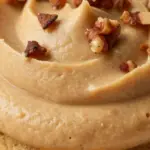
Carrot Cake Cookies with Brown Butter Cream Cheese Frosting
Ingredients
- 2 ¾ cups all-purpose flour (spooned and leveled) 🌾
- 1 teaspoon baking soda 🧂
- ½ teaspoon salt 🧂
- 2 ½ teaspoons ground cinnamon 🌿
- 1 cup unsalted butter (2 sticks), room temperature 🧈
- ¾ cup granulated sugar 🍚
- ¾ cup dark brown sugar 🟫🍚
- 2 teaspoons vanilla extract or vanilla paste 🌼
- 2 eggs, room temperature 🥚
- 1 ½ cups finely shredded fresh carrots 🥕
- ½ cup unsalted butter (1 stick) for frosting 🧈
- 4 ounces cream cheese, softened 🧀
- 6 cups powdered sugar (confectioners’) 🍚✨
- 2 teaspoons vanilla extract for frosting 🌼
- 4–8 tablespoons milk (to adjust frosting consistency) 🥛
- ½ cup pecans, finely chopped (optional) 🌰
Instructions
- Preheat the oven to 350°F (175°C). Line baking sheets with parchment paper and set aside.
- In a medium bowl, whisk together the flour, baking soda, salt, and ground cinnamon until evenly combined.
- In a stand mixer or large bowl with an electric mixer, cream the room-temperature butter with the granulated and dark brown sugars on medium speed for 3–4 minutes, until light and fluffy.
- Add the vanilla and eggs (one at a time if you like), mixing until fully incorporated.
- Fold in the finely shredded carrots until evenly distributed throughout the batter.
- Gradually add the dry ingredients to the wet mixture and mix on low speed until no flour streaks remain. Do not overmix.
- Use a cookie scoop (about 1.5 tablespoons) to portion dough onto the prepared baking sheets, spacing cookies about 2 inches apart.
- Bake in the preheated oven for 12–14 minutes, or until the tops look nearly dry and the cookies give slightly when touched.
- Remove the cookies from the oven and transfer to a cooling rack or a clean sheet pan to cool completely before frosting.
- To make the brown butter: melt ½ cup butter in a small saucepan over medium heat, stirring frequently. Once melted, continue cooking and stirring until the butter turns a deep golden color and brown flecks form on the bottom (about 1–3 minutes more). Remove from heat and let cool briefly.
- In a mixing bowl, beat the softened cream cheese and the slightly cooled brown butter together, starting on low and increasing to medium until smooth and combined.
- Add the 2 teaspoons vanilla, then add the powdered sugar a little at a time, mixing until incorporated. The mixture will be dry at first.
- Add milk, one tablespoon at a time, until the frosting reaches a smooth, spreadable consistency (use 4–8 tablespoons as needed).
- When cookies are completely cool, spread or pipe the brown butter cream cheese frosting onto each cookie.
- If desired, sprinkle chopped pecans over the frosting for crunch and garnish.
- Serve immediately or store cookies in an airtight container in the refrigerator for up to 4 days; bring to room temperature before serving if chilled.