
Few baked goods are as elegantly simple and universally loved as Classic Shortbread Cookies. With just a handful of pantry staples — butter, sugar, and flour — shortbread delivers a melt-in-your-mouth texture and rich, buttery flavor that has stood the test of time for centuries.
Originating in Scotland and traditionally associated with festive celebrations like Christmas and Hogmanay, shortbread is the epitome of refined simplicity. Its crumbly yet tender structure makes it perfect for afternoon tea, holiday gifting, or an everyday sweet treat.
In this comprehensive guide, you’ll learn everything about making perfect traditional shortbread cookies — including ingredient ratios, techniques, flavor variations, troubleshooting tips, and storage strategies — all optimized for consistent bakery-quality results.
What Makes Shortbread “Classic”?
Classic shortbread is defined by three characteristics:
- High butter content
- No leavening agents
- Minimal ingredients
Unlike sugar cookies or butter cookies, shortbread does not rely on eggs or baking powder. The texture comes purely from the balance of fat and flour, creating that iconic sandy, delicate crumb.
Traditional Scottish shortbread follows a 1:2:3 ratio:
- 1 part sugar
- 2 parts butter
- 3 parts flour
This ratio ensures proper structure while preserving richness.
Ingredients for Classic Shortbread Cookies
Core Ingredients
- 1 cup (226g) unsalted butter, softened
- 1/2 cup (60g) powdered sugar
- 2 cups (240g) all-purpose flour
- 1/4 teaspoon salt (if using unsalted butter)
- 1 teaspoon pure vanilla extract (optional but recommended)
Why Powdered Sugar?
Powdered sugar creates a finer, more delicate crumb compared to granulated sugar, resulting in smoother texture and softer bite.
Step-by-Step Instructions
Step 1: Cream Butter and Sugar
In a mixing bowl, beat softened butter until smooth and creamy. Add powdered sugar and mix until light and fluffy (about 2–3 minutes).
Avoid overmixing — you want aeration, not excessive air bubbles.
Step 2: Add Dry Ingredients
Gradually mix in flour and salt. The dough will look crumbly at first but will come together as you mix.
If using vanilla, add it with the butter mixture.
Mix only until combined. Overworking the dough develops gluten, which makes cookies tough instead of tender.
Step 3: Shape the Dough
You have several classic shaping options:
1. Rolled & Cut
- Roll dough to 1/4–1/2 inch thick.
- Cut into rectangles, circles, or festive shapes.
2. Shortbread Fingers (Traditional)
- Press dough into a rectangular pan.
- Score into fingers before baking.
3. Round Wedges (Scottish Style)
- Press dough into a round pan.
- Score into wedges.
Chill dough for 30 minutes before baking for cleaner edges.
Step 4: Bake Low & Slow
Preheat oven to 325°F (163°C).
Bake 18–25 minutes until edges are lightly golden. Shortbread should remain pale on top.
Overbaking results in dryness.
Step 5: Cool Completely
Allow cookies to cool on the baking sheet for 10 minutes before transferring.
Shortbread firms up as it cools.
Texture & Flavor Profile
Classic shortbread should be:
- Tender and crumbly
- Buttery and rich
- Lightly sweet
- Smooth, not gritty
- Crisp at the edges
The flavor intensifies as it rests for 24 hours.
Why This Recipe Works
- High butter ratio ensures tenderness.
- No eggs prevents cakey texture.
- Low baking temperature preserves delicate crumb.
- Powdered sugar ensures smooth texture.
Shortbread is all about controlled simplicity.
Professional Baking Tips
1. Use High-Quality Butter
Butter is the star ingredient. European-style butter with higher fat content enhances richness.
2. Don’t Skip Chilling
Chilling prevents spreading and sharpens edges.
3. Dock the Dough
Prick with a fork before baking to prevent bubbling and maintain flat surface.
4. Weigh Ingredients
Precision improves consistency.
5. Avoid Overmixing
Gluten formation = tough cookies.
Classic Variations
While traditional shortbread is plain, here are elegant variations:
Lemon Shortbread
Add:
- 1 tablespoon lemon zest
Chocolate-Dipped
Dip cooled cookies in melted dark chocolate.
Earl Grey Infused
Grind tea leaves finely and mix into flour.
Almond Shortbread
Add 1/4 teaspoon almond extract.
Lavender Shortbread
Use culinary lavender sparingly.
Traditional Scottish Shapes
Shortbread historically appears in three primary forms:
- Petticoat Tails – Large round divided into wedges
- Shortbread Fingers – Rectangular bars
- Rounds – Individual circular cookies
Each style traces back to Scottish baking heritage.
Serving Ideas
Shortbread pairs beautifully with:
- Tea
- Coffee
- Hot chocolate
- Fresh berries
- Lemon curd
- Whipped cream
It also makes a refined base for dessert bars.
Storage & Shelf Life
Shortbread stores exceptionally well.
Room Temperature:
Store in airtight container up to 2 weeks.
Freezing:
Freeze baked cookies up to 3 months.
Freezing Dough:
Wrap tightly and freeze up to 2 months.
Flavor actually improves after 1–2 days.
Nutritional Overview (Approximate Per Cookie)
- Calories: 120–150
- Fat: 8g
- Carbohydrates: 15g
- Sugar: 5g
- Protein: 1g
Portion control matters — they’re rich!
Common Mistakes to Avoid
1. Using Cold Butter
Prevents proper creaming.
2. Overbaking
Shortbread should not brown deeply.
3. Adding Too Much Flour
Makes cookies dry and crumbly in a bad way.
4. Skipping Salt
Even sweet cookies need salt for balance.
Why Shortbread Is Different from Sugar Cookies
| Feature | Shortbread | Sugar Cookies |
|---|---|---|
| Eggs | No | Yes |
| Texture | Crumbly | Soft/Chewy |
| Leavening | None | Baking powder |
| Flavor | Buttery | Sweeter |
Shortbread focuses on butter; sugar cookies focus on sweetness.
Holiday Gifting Appeal
Because shortbread keeps well and travels well, it’s ideal for:
- Cookie tins
- Gift boxes
- Wedding favors
- Corporate gifting
Decorate with drizzle, sanding sugar, or simple glaze for festive presentation.
How to Make Them Ultra Tender
For even softer texture:
- Replace 2 tablespoons flour with cornstarch
- Use superfine sugar
- Sift flour before mixing
These adjustments refine crumb structure.
Gluten-Free Option
Substitute:
- 1:1 gluten-free flour blend
Ensure blend contains xanthan gum for structure.
Scaling the Recipe
Shortbread scales easily due to simple ratios.
For large batches:
- Maintain 1:2:3 ratio by weight.
Professional bakers rely on weight for consistency.
Advanced Technique: Browned Butter Shortbread
For nutty depth:
- Brown butter gently.
- Cool until solid but soft.
- Proceed with recipe.
This adds caramelized complexity while preserving structure.
Frequently Asked Questions
Why is my shortbread crumbly?
Too much flour or overbaking.
Why did it spread?
Butter too warm or skipped chilling.
Can I use salted butter?
Yes — reduce added salt.
Why dock with a fork?
Prevents air pockets and preserves flat top.
The Science Behind Shortbread
Shortbread’s texture comes from:
- High fat inhibiting gluten formation
- Low moisture preventing chewiness
- Gentle baking preserving structure
Butter coats flour particles, limiting gluten networks. This creates the iconic sandy texture.
Final Thoughts
Classic Shortbread Cookies represent baking at its purest form — minimal ingredients, precise technique, and timeless flavor. With rich butteriness and delicate crumb, they remain one of the most beloved traditional cookies worldwide.
Whether shaped into traditional Scottish wedges or dipped in chocolate for modern flair, this recipe delivers consistent, bakery-quality results every time.
Simple. Elegant. Enduring.
Print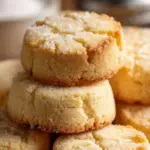
Classic Shortbread Cookies (Buttery, Tender & Timeless)
Ingredients
- 1 cup (2 sticks / 225g) unsalted butter, softened
- ½ cup (60g) powdered sugar (plus extra for dusting)
- 2 cups (250g) all-purpose flour
- Pinch of salt
- Optional: 1 tsp vanilla extract or lemon zest
Instructions
- Prep: Preheat oven to 325°F (160°C). Line a baking sheet with parchment paper.
- Cream butter & sugar: Beat softened butter and powdered sugar until smooth and fluffy (~2–3 min). Add vanilla or zest if using.
- Add flour: Gradually mix in flour and salt until a soft dough forms (don’t overmix).
- Shape:
- Slice-and-bake: Roll into a log, wrap in parchment, chill 30 min, then slice into ½” rounds.
- Press-in pan: Press into an 8×8″ pan; score into squares before baking.
- Cut-outs: Roll to ¼” thickness; cut with cookie cutters.
- Bake 18–22 minutes, until edges are just golden (centers should stay pale).
- Cool completely on pan, then dust with powdered sugar if desired.
💡 Pro Tips:
– Use cold butter for extra crumbly texture—or room temp for softer shortbread.
– Prick dough with a fork before baking to prevent puffing.
– Store in an airtight container for up to 2 weeks—they get better with time!
Prep Time & Nutrition (per cookie, makes 24):
Servings: 24 | Calories: 90 | Net Carbs: 7g | Fats: 7g | Protein: 1g