
Introduction
Bright, tangy, and luxuriously creamy, Key Lime Cheesecake is a dessert that balances citrus brightness with the silky comfort of classic cheesecake.
As a professional recipe developer, I love how this dessert reads like sunshine on a plate: it brings a clean lime lift without losing any of the lush, mouth-coating richness that makes cheesecake so beloved. The texture play is central here — a delicate crust that gives way to a dense but yielding filling that practically melts on the tongue.
- This cake is versatile for celebrations, from backyard gatherings to elegant dinner parties.
- It holds flavor beautifully in the fridge, so you can prepare ahead without losing brightness.
- A little citrus zest goes a long way in cutting through creaminess and adding aromatic depth.
I’ll walk you through thoughtful techniques that keep the texture silky and the top crack-free, and I’ll share stylistic finishing touches that make each slice sing at the table. Whether you adore a tart citrus edge or prefer a softer lime whisper, this recipe is forgiving and elegant — a true showstopper that rewards attention to a few key details.
Why You’ll Love This Recipe
This version marries classic cheesecake structure with the unmistakable lift of lime.
What makes it stand out is the balance: not too sweet, with just enough acid to refresh the palate between bites. The filling is designed to be dense yet velvety, so each forkful feels indulgent without being cloying.
- It’s exceptionally reliable—techniques I recommend aim to prevent curdling and overbaking.
- The flavors are bright enough to pair with light garnishes like whipped cream and thin lime slices.
- It scales well for smaller gatherings thanks to a modest pan size that bakes evenly.
As a writer and baker, I always test desserts for texture across a range of temperatures, and this recipe delivers: chilled slices maintain structure but still offer that soft, creamy mouthfeel that people expect from a top-tier cheesecake. The techniques I emphasize later help you achieve a smooth surface and a center that remains creamy rather than dry—key to an impeccable slice. Small adjustments—gentle mixing, an insulating water bath, and a brief in-oven cooling period—make all the difference in the final result.
Flavor & Texture Profile
Think of the first bite as a contrast between a crisp, buttery base and an ethereal, lime-scented custard.
The citrus presence is linear and clean: zesty aromatic oils from fresh zest and the bright, immediate acidity from lime juice. This acidity doesn’t fight creaminess; it partners with it, creating a taste that is both refreshing and luxuriously rich.
- Top note: bright, aromatic lime zest that hits the nose before the tongue.
- Mid palate: silky, slightly tangy custard that clings gently to the roof of the mouth.
- Finish: subtle buttery crunch from the crust and a lingering citrus lift.
Texture-wise, aim for a filling that is dense enough to slice cleanly yet tender enough to show a slight, pleasing wobble when just removed from heat. The crust should be compact and cohesive without turning hard; it should provide a textural counterpoint to the creamy filling. When the elements are in balance, each forkful delivers layers of sensation: aromatic lift, luxurious cream, and a satisfying, grounding crunch.
Gathering Ingredients
Collect everything before you start to ensure a smooth assembly and even baking.
- 1 cup (84 g) graham cracker crumbs — for the base
- 1 tablespoon granulated sugar — in the crust
- 3 tablespoons unsalted butter, melted — to bind the crumbs
- 2 packages (8 oz / 226 g each) cream cheese, room temperature — the backbone of the filling
- 2/3 cup (133 g) granulated sugar — to sweeten the filling
- 1/3 cup (77 g) sour cream, room temperature — for silkiness
- 1 teaspoon vanilla extract — for depth
- 2 large eggs, room temperature — for structure
- 6 tablespoons Key lime juice — primary citrus
- 1 teaspoon Key lime zest — aromatic lift
- Whipped cream, for garnish (optional)
- Fresh Key limes or Persian limes, sliced, for garnish
Gathering these items ahead of time lets you bring dairy and eggs to the proper temperature and prepare simple mise en place: zest before juicing, have your foil and springform pan ready, and measure dry ingredients into bowls. Organization reduces stress at the mixer and helps you maintain the gentle handling that yields a glossy, stable filling.
Preparation Overview
This section outlines the key techniques that create a crack-free, silky cheesecake.
Start with room-temperature dairy and eggs: they emulsify more evenly and reduce the need for vigorous mixing that can introduce air. When you beat the base ingredients, do so until just smooth; overworking the batter encourages bubbles that expand and then collapse during baking, which leads to cracking.
- Use gentle, slow mixing speeds when incorporating eggs to maintain a dense, cohesive batter.
- A water bath moderates oven temperature around the pan and stabilizes the custard as it sets.
- Allow gradual cooling with the oven door cracked to minimize sudden temperature changes that cause surface fissures.
For the crust, press firmly to form an even base and avoid a crust that crumbles when sliced. The foil wrap around the pan isn’t decorative — it keeps the water bath from seeping into the pan, preserving the texture and preventing a soggy edge. Finally, chilling the set cheesecake improves sliceability and lets flavors meld; the profile deepens as citrus oils settle into the custard matrix. These approaches are about control: temperature control, gentle aeration, and structural support for a beautiful, reliable finish.
Cooking / Assembly Process
Follow these step-by-step instructions to assemble and bake the cheesecake.
- Preheat the oven to 350°F (175°C). Line the bottom of a 7-inch springform pan with parchment paper.
- Make the crust: In a medium bowl combine graham cracker crumbs, 1 tablespoon sugar and melted butter. Mix until the crumbs are evenly moistened and the mixture resembles coarse sand.
- Press the crust mixture firmly into the bottom of the lined springform pan. Wrap the bottom and sides with two layers of heavy-duty aluminum foil to waterproof the pan for a water bath. Set aside.
- Prepare the filling: Using an electric mixer or stand mixer with the paddle attachment, beat the cream cheese on medium speed until smooth and creamy.
- Add 2/3 cup sugar and continue beating until fully incorporated and silky, scraping down the bowl as needed.
- Mix in the sour cream and vanilla extract until smooth.
- With the mixer on low, add the eggs one at a time, mixing until just incorporated and scraping the bowl after each addition.
- Fold in the Key lime juice and zest, mixing until just combined—do not overmix. The batter should be smooth and slightly glossy.
- Pour the filling over the prepared crust and smooth the top with a spatula.
- Place the foil-wrapped springform pan into a larger roasting pan. Carefully pour hot water into the larger pan until it reaches about halfway up the side of the foil-wrapped pan to create a water bath.
- Bake for 70–80 minutes, or until the edges are set and the top is lightly golden while the center still has a slight jiggle. Avoid overbaking to keep the center creamy.
- Turn off the oven, crack the oven door, and let the cheesecake cool inside for about 30 minutes to reduce cracking. Then remove from the oven and cool completely on a wire rack.
- Refrigerate the cooled cheesecake for at least 4 hours, preferably overnight, until fully set.
- Before serving, garnish with whipped cream, extra lime zest and sliced limes. Slice with a hot, clean knife for neat pieces and serve chilled.
These steps focus on controlled mixing and gradual temperature changes to preserve a smooth, evenly set filling—exactly what creates that melt-in-your-mouth sensation and a pristine slice.
Serving Suggestions
Presentation is where the dessert becomes memorable—keep it simple and fresh.
A clean slice topped with a small dollop of cloud-like whipped cream and a delicate twist of zest feels both elegant and restrained. Thin lime slices or a few segments arranged asymmetrically add color and a visual cue to the flavor. For contrast, a scattering of toasted citrus candy shards or a drizzle of a light lime-infused syrup can introduce texture without overwhelming the cake.
- Serve chilled on room-temperature dessert plates to balance the mouthfeel.
- Pair with a light, slightly bitter beverage—think an herbal tea or a dry sparkling wine—to cut through the richness.
- If plating for a dinner party, add one small mint leaf per slice for aroma and contrast.
When slicing, wipe your knife between cuts for pristine edges and use a warm blade for the cleanest presentation. Keep garnishes minimal to let the lime character shine; the brightness is the star here, and small accents enhance without competing. If you offer accompaniments, present them as optional—guests will appreciate the choice to experience the cheesecake in its purest form or with a complementary bite.
Storage & Make-Ahead Tips
This cheesecake is an ideal make-ahead dessert because its flavors mature and the texture firms as it chills.
Once fully cooled and set, wrap the cake tightly to protect it from absorbing fridge odors and to maintain moisture. For short-term storage, keep it in a sealed cake carrier or wrapped with plastic to preserve freshness and texture; chilled slices benefit from a few minutes out of the refrigerator before serving to soften slightly.
- For longer storage, slices can be tightly wrapped and frozen; thaw gently in the refrigerator to retain structure.
- Avoid leaving the cheesecake at room temperature for extended periods to prevent textural breakdown and loss of freshness.
- If you plan to garnish, add the whipped cream and fresh lime slices just before serving to keep the presentation crisp.
Make-ahead strategy: complete the cheesecake through chilling, then store covered until the day of service. This gives you time to focus on other elements of your meal while ensuring the dessert looks and tastes at its best. Proper wrapping and consistent refrigeration are the keys to preserving both the creaminess and the citrus clarity.
Frequently Asked Questions
Q: Can I use regular limes instead of Key limes?
Yes—regular Persian limes provide a bright citrus flavor that works beautifully. Key limes are more aromatic and a bit tarter, but both deliver the characteristic lime brightness that defines the dessert.
Q: How do I prevent cracks on the surface?
Gentle mixing to avoid incorporating excess air, baking in a water bath to regulate temperature, and gradual cooling in the oven are effective methods to minimize cracking. Be patient with temperature changes and handle the batter gently.
Q: Can I make this in a larger pan?
Scaling up requires attention to bake time and even heat distribution—larger pans may need longer, gentler baking and careful monitoring to avoid overbaking the edges. Consider using an oven thermometer and checking for the gentle jiggle in the center as your cue.
Q: What are good garnish alternatives?
Fresh citrus segments, a thin candied lime wheel, or a light crumble of toasted nuts can provide textural contrast and visual interest without overshadowing the lime flavor. Keep garnish proportions modest to preserve the dessert’s balance.
Final note:
This cheesecake rewards attentive technique more than exotic ingredients; with controlled mixing, a supportive water bath, and a calm cooling period, you’ll achieve a glossy, creamy center and a delightfully bright finish. Treat each step as an opportunity to refine texture and flavor, and you’ll be rewarded with slices that look as good as they taste.
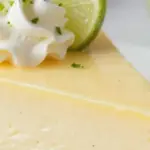
Key Lime Cheesecake
Ingredients
- 1 cup (84 g) graham cracker crumbs (about 7 crushed sheets) 🍪
- 1 tablespoon granulated sugar 🧂
- 3 tablespoons unsalted butter, melted 🧈
- 2 packages (8 oz / 226 g each) cream cheese, room temperature 🧀
- 2/3 cup (133 g) granulated sugar 🧂
- 1/3 cup (77 g) sour cream, room temperature 🥛
- 1 teaspoon vanilla extract 🌿
- 2 large eggs, room temperature 🥚
- 6 tablespoons Key lime juice (or Persian lime) 🍈
- 1 teaspoon Key lime zest, plus extra for garnish 🍋
- Whipped cream, for garnish (optional) 🍦
- Fresh Key limes or Persian limes, sliced, for garnish 🍈
Instructions
- Preheat the oven to 350°F (175°C). Line the bottom of a 7-inch springform pan with parchment paper.
- Make the crust: In a medium bowl combine graham cracker crumbs, 1 tablespoon sugar and melted butter. Mix until the crumbs are evenly moistened and the mixture resembles coarse sand.
- Press the crust mixture firmly into the bottom of the lined springform pan. Wrap the bottom and sides with two layers of heavy-duty aluminum foil to waterproof the pan for a water bath. Set aside.
- Prepare the filling: Using an electric mixer or stand mixer with the paddle attachment, beat the cream cheese on medium speed until smooth and creamy.
- Add 2/3 cup sugar and continue beating until fully incorporated and silky, scraping down the bowl as needed.
- Mix in the sour cream and vanilla extract until smooth.
- With the mixer on low, add the eggs one at a time, mixing until just incorporated and scraping the bowl after each addition.
- Fold in the Key lime juice and zest, mixing until just combined—do not overmix. The batter should be smooth and slightly glossy.
- Pour the filling over the prepared crust and smooth the top with a spatula.
- Place the foil-wrapped springform pan into a larger roasting pan. Carefully pour hot water into the larger pan until it reaches about halfway up the side of the foil-wrapped pan to create a water bath.
- Bake for 70–80 minutes, or until the edges are set and the top is lightly golden while the center still has a slight jiggle. Avoid overbaking to keep the center creamy.
- Turn off the oven, crack the oven door, and let the cheesecake cool inside for about 30 minutes to reduce cracking. Then remove from the oven and cool completely on a wire rack.
- Refrigerate the cooled cheesecake for at least 4 hours, preferably overnight, until fully set.
- Before serving, garnish with whipped cream, extra lime zest and sliced limes. Slice with a hot, clean knife for neat pieces and serve chilled.