
Introduction
A dessert that answers the craving for cake without derailing healthy habits
This carrot cake is written from a pro food-blogger perspective with an eye for flavor, texture, and sensible swaps. The goal is a slice that feels indulgent — warmly spiced, tender crumb, and a tangy light frosting — yet built with ingredients chosen to keep calories and refined sugar in check. I approach every healthier dessert the same way: preserve the elements that make people smile at the first bite and rework the rest so the final result is satisfying, not austere.
What you’ll notice first: a soft, moist interior and a fragrant lift of spice. As a recipe creator I balance mouthfeel and moisture with ingredients that carry flavor as well as structure, ensuring the cake doesn’t dry out or taste like a compromise.
Inside this post you’ll find:
- A clear ingredient list with smart swaps and why they work
- A step-by-step baking and assembly section written for home bakers
- Serving ideas, storage guidance, and common troubleshooting tips
Read on if you’re after a dessert that respects your nutrition goals while still feeling like a treat — perfected through technique rather than deprivation.
Why You’ll Love This Recipe
A balance of indulgence and restraint
I test desserts with the intent of keeping pleasurable textures intact while trimming excess calories where they are least impactful to taste. This carrot cake does exactly that: it uses moisture-retaining ingredients and a modest amount of healthy fat to keep every slice soft, while relying on natural sweetness and a low-calorie sweetener to avoid a cloying finish. As a baker, I tuned the spice blend and citrus lift so the cake tastes complex and homey without needing much frosting — the kind of dessert you can enjoy multiple times without fatigue.
Who it’s for: busy home cooks who want dessert without heavy guilt, people reducing sugar intake, and anyone who loves carrot cake but prefers lighter versions. I always consider texture first: a cake that falls apart or dries quickly won’t win anyone over, so the method here focuses on structure and timing to keep the crumb tender.
Finally, the frosting is intentionally light and tang-forward. It complements the cake rather than smothering it, offering a creamy counterpoint that elevates each bite. If you appreciate small, purposeful culinary decisions that yield a dessert you can savor, this is one to add to your repertoire.
Flavor & Texture Profile
What you should expect on the palate
This cake is all about layered, comforting flavors and contrasting textures. The primary notes come from warm spice and bright citrus zest that cut through the natural sweetness of the carrots and applesauce. The result is a warmly spiced profile with a refreshing lift, which keeps each slice from tasting heavy or one-dimensional.
Texture elements I designed for:
- A moist, tender crumb that holds together when sliced
- A gentle density from whole grain or oat flour to add wholesome chew
- Small, pleasant crunch in baker’s optional add-ins for contrast
The frosting is intentionally light and tangy, contributing creaminess without weighing the cake down. It acts as a bright finish that harmonizes with cinnamon and lemon notes. When you bite into the cake, the first sensation should be moistness, followed by warming spice and a subtle, fresh tang from the frosting. Each mouthful should feel balanced: not overly sweet, pleasantly moist, and with just enough texture contrast to keep it interesting.
As a creator, I always aim for a dessert where flavor architecture supports the lighter ingredient choices — this cake is a textbook example of that principle.
Gathering Ingredients
Ingredient list — everything you’ll assemble before you start
Use this list to set out a mise en place. When baking lighter cakes, accurate ingredient choices and simple swaps make all the difference; measure and prepare before you begin to ensure even mixing and consistent results.
- 2 cups grated carrots
- 1 cup unsweetened applesauce
- 2 large eggs
- 1/3 cup light olive oil
- 1/3 cup erythritol or granulated monk fruit sweetener
- 1 tsp vanilla extract
- 1 cup whole wheat flour or oat flour
- 1 tsp baking powder
- 1/2 tsp baking soda
- 1 1/2 tsp ground cinnamon
- 1/4 tsp salt
- 1/3 cup chopped walnuts (optional)
- 1/2 cup nonfat Greek yogurt (for frosting)
- 2 tbsp low-fat cream cheese (or extra Greek yogurt)
- 1 tsp lemon zest (optional)
Pro tips for choosing ingredients:
Use freshly grated carrots for the best texture and moisture; pre-shredded carrots are drier and can affect crumb. Choose a neutral, light olive oil rather than robust extra-virgin if you prefer a subtle background fat note. When selecting a flour, whole wheat produces a heartier crumb while oat flour gives a softer, slightly more tender texture; pick based on the mouthfeel you enjoy. If you include nuts, toast them briefly to intensify flavor and add a satisfying contrast.
Double-check your leavening is fresh — older baking powder and baking soda can lead to a denser cake — and have your yogurt and cream cheese chilled and ready for a smooth, stable frosting.
Preparation Overview
How to approach the bake
Before you start, think about rhythm: this cake benefits from straightforward mixing and gentle handling. The overall method pairs an emulsified wet base with a dry-mix of flours and leaveners. The key technique is to combine the dry ingredients with the wet just until integrated; overmixing will develop gluten and create toughness, which defeats the purpose of a tender, low-calorie dessert.
Mise en place and tools:
Lay out your bowls, whisk, spatula, grater, measuring tools, and pan. Grate carrots finely for even distribution and consistent moisture. Have your pan prepared and parchment cut if you prefer easy removal. Warm liquids or chilled dairy can change texture — use room temperature eggs for a more even emulsion and chilled dairy for a firmer frosting finish.
Mixing strategy:
I always start by whisking wet ingredients together until smooth to create a uniform base, then sift or whisk the dry ingredients and fold them in carefully. If you include nuts, fold them in at the end so they remain distributed. These modest procedural choices — whisking, sifting when needed, gentle folding — are the difference between a cake that lasts and one that dries quickly.
Finally, trust visual cues: the batter should be cohesive and not overly stiff. When you pour it into the pan, it should settle with a gentle surface tension rather than a heavy, glossy sheen. Those cues will guide timing and baking even if you’re adapting for different pans or ovens.
Cooking / Assembly Process
Step-by-step baking and assembly
Follow these structured steps to achieve the intended outcome. They include temperatures and timing for home ovens as well as assembly instructions for the light frosting.
- Preheat the oven to 350°F (175°C) and grease an 8-inch (20 cm) round cake pan or line with parchment paper.
- In a large bowl, whisk together the applesauce, eggs, olive oil, sweetener, and vanilla until smooth.
- In a separate bowl, combine the flour, baking powder, baking soda, cinnamon, and salt.
- Gradually add the dry ingredients to the wet mixture and stir until just combined—avoid overmixing.
- Fold in the grated carrots and optional walnuts until evenly distributed.
- Pour batter into the prepared pan and smooth the top with a spatula.
- Bake for 25–30 minutes, or until a toothpick inserted in the center comes out clean.
- Let the cake cool in the pan for 10 minutes, then transfer to a wire rack to cool completely.
- For the light frosting, beat Greek yogurt with low-fat cream cheese and lemon zest until smooth. Chill briefly to firm if desired.
- Spread the frosting over the cooled cake, slice into 8 pieces, and serve. Store leftovers refrigerated up to 3 days.
Baker’s notes on execution:
Watch the cake visually: it should rise gently and the edges will brown before the center firms. A toothpick test remains the most reliable check. Cooling is critical — frost only once the cake is fully cool to avoid a runny topping. For frosting texture, whip briefly to a creamy consistency but avoid overbeating, which can break down yogurt and create a looser finish. Chill briefly if you prefer a firmer spreadable frosting before decorating or slicing.
Serving Suggestions
How to present and pair this cake
This cake shines when served simply and thoughtfully. Because the cake is lightly sweetened and warmly spiced, I often serve it alongside a bright beverage that mirrors the citrus in the frosting — think a lightly brewed tea or a sparkling water with a citrus slice. For a brunch table, place modest slices on a wooden board and offer a variety of toppings so guests can personalize each portion.
Topping ideas and contrasts:
Use small, fresh contrasts to elevate each bite. I recommend a scattering of toasted nuts for crunch, a light dusting of cinnamon to emphasize warmth, or a few thin lemon slices for visual contrast. If you want a bit more indulgence for special occasions, a small scoop of low-fat frozen dessert or a drizzle of warm spiced fruit compote works beautifully; the idea is to complement rather than overpower.
Portion and plate styling:
Present slices with a slight angle to show the tender crumb, and use micro-herbs or a delicate edible flower as an accent if you’re styling for photos. Serve on neutral plates to let the warm tones of the cake pop. Small touches — warm the plate slightly before plating or finish with a tiny twist of lemon zest — can make a simple slice feel curated. These styling choices amplify the eating experience without adding heavy extras.
Storage & Make-Ahead Tips
Smart prep to save time and maintain quality
For meal planning or entertaining, consider splitting the work across two sessions: bake the cake base one day and prepare the light frosting shortly before serving. Chilling the cake after it has fully cooled can make spreading the frosting easier and cleaner. If you choose to assemble in advance, store the cake in an airtight container to protect texture and prevent the frosting from absorbing fridge odors.
Freezing and thawing:
If you plan to freeze, wrap the unfrosted cake layers tightly in plastic wrap and place them in a sealed freezer container. Thaw in the refrigerator overnight and then bring to room temperature before adding the frosting for optimal texture. Alternatively, freeze individual slices wrapped well for single-serve convenience and defrost gently to preserve crumb and moisture.
Reheating and refresh:
If you want a slightly warmed slice, heat briefly in a low oven or toaster oven until just warm in the center; avoid microwaving too long or the cake can become rubbery. For a refreshed appearance after refrigeration, allow slices to sit at room temperature for a short period before serving so flavors open up again. These simple make-ahead tactics keep the cake accessible for casual snacking or planned gatherings without compromising the texture and flavor you worked to achieve.
Frequently Asked Questions
Common questions and troubleshooting
What if my cake is too dense? Several factors can lead to density: overmixing the batter, insufficient leavening activity, or packing grated carrots too tightly. To avoid this, fold gently and ensure leaveners are fresh. Also, keep an eye on batter consistency — it should be cohesive but not overly stiff.
Can I swap flours? Yes — the recipe is flexible. Whole grain flours yield a nutty texture while oat flour produces a softer crumb. When making substitutions, expect slight changes in moisture absorption and crumb; adjust mix-ins and folding accordingly for even distribution.
How do I prevent a soggy bottom? Use freshly grated carrots and drain any excess moisture if you’re working with very wet produce. Also, ensure the pan is properly greased and the oven temperature is stable so the cake sets evenly from the edges inward.
Can I omit nuts? Absolutely — nuts are optional and add crunch and flavor, but the cake stands well on its own. For nut-free households, replace them with toasted seeds or omit them entirely.
Why is my frosting runny? Overmixing yogurt-based frostings or using very warm yogurt can thin the consistency. Chill the mixture briefly to firm it up and beat gently to maintain a creamy texture.
Last paragraph — final reassuring note: If you run into any hiccups, adjust gradually and trust the sensory cues I’ve emphasized throughout this article — batter texture, rise behavior, and cooling — rather than relying solely on timing. Small corrections often yield big improvements. Happy baking, and enjoy a slice that balances pleasure with practicality.
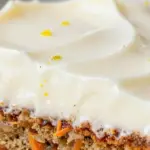
Low-Calorie Carrot Cake
Ingredients
- 2 cups grated carrots 🥕
- 1 cup unsweetened applesauce 🍎
- 2 large eggs 🥚
- 1/3 cup light olive oil 🫒
- 1/3 cup erythritol or granulated monk fruit sweetener 🍬
- 1 tsp vanilla extract 🌿
- 1 cup whole wheat flour or oat flour 🌾
- 1 tsp baking powder 🧁
- 1/2 tsp baking soda 🧁
- 1 1/2 tsp ground cinnamon 🌰
- 1/4 tsp salt 🧂
- 1/3 cup chopped walnuts (optional) 🌰
- 1/2 cup nonfat Greek yogurt (for frosting) 🥣
- 2 tbsp low-fat cream cheese (or extra Greek yogurt) 🧀
- 1 tsp lemon zest (optional) 🍋
Instructions
- Preheat oven to 350°F (175°C) and grease an 8-inch (20 cm) round cake pan or line with parchment paper.
- In a large bowl, whisk together the applesauce, eggs, olive oil, sweetener, and vanilla until smooth.
- In a separate bowl, combine the flour, baking powder, baking soda, cinnamon, and salt.
- Gradually add the dry ingredients to the wet mixture and stir until just combined—avoid overmixing.
- Fold in the grated carrots and optional walnuts until evenly distributed.
- Pour batter into the prepared pan and smooth the top with a spatula.
- Bake for 25–30 minutes, or until a toothpick inserted in the center comes out clean.
- Let the cake cool in the pan for 10 minutes, then transfer to a wire rack to cool completely.
- For the light frosting, beat Greek yogurt with low-fat cream cheese and lemon zest until smooth. Chill briefly to firm if desired.
- Spread the frosting over the cooled cake, slice into 8 pieces, and serve. Store leftovers refrigerated up to 3 days.