
Introduction
A quick hello from the kitchen:
These bars are the sort of recipe I make when a busy day needs a small, satisfying ritual. The method is straightforward, the cleanup minimal, and the payoff immediate — a chewy, chocolate-topped bar that travels well and keeps mood elevated when life needs a snack.
Why I love it as a creator:
It celebrates texture contrasts and pantry staples, and it rewards gentle attention rather than technique-heavy skills. I find the process meditative: melting, folding, pressing, and a final sweep of glossy chocolate until the surface catches the light. The result is rustic and comforting, not fussy or precious.
What to expect from this article:
You’ll get thoughtful notes on flavor and texture, a clear ingredient list and step-by-step assembly, plus practical serving and storage guidance that keeps these bars tasting their best. Expect tips to make the bars slice cleanly and to customize add-ins without losing the chewy structure. I also share troubleshooting notes that save you time and frustration when things are sticky, soft, or too firm. Read on for everything you need to make these reliably delightful bars for snacks, lunchboxes, or a last-minute treat.
Why You’ll Love This Recipe
Simplicity meets satisfaction:
This recipe captures the best parts of indulgence without the fuss. You get a satisfying chew, a hit of chocolate, and a texture that feels homemade and honest. It’s the kind of recipe that fits into an evening routine when you want something homemade but don’t want to stand over an oven.
What makes it work in everyday life:
- Minimal equipment and predictable results.
- Pantry-friendly components that often live in the back of a pantry or fridge.
- Flexible add-ins to tailor texture and flavor without changing the technique.
Perfect occasions:
These bars are ideal for packing in lunches, serving after-school when hands need a quick energy boost, or bringing to casual gatherings where transportability matters. The dense, chewy texture means they keep well in a cooler bag and won’t crumble into a mess, which makes them a true everyday star. As a creator, I love that they’re forgiving: a little more press here, a slightly thinner chocolate layer there, and you still end up with a crowd-pleasing result.
Flavor & Texture Profile
Taste notes:
These bars balance a warm, toasty base with a smooth, bittersweet finish. The oat base provides a gentle nuttiness and a hearty mouthfeel, while the chocolate layer introduces a glossy bitterness that anchors the sweetness. There’s a comforting background sweetness that doesn’t overwhelm, allowing the chewy backbone to be the star.
Texture dynamics:
The texture is intentionally dense and chewy — a structure that comes from careful folding and firm pressing. When you bite in, the base should yield with a slight chew rather than crumble into dust. The top chocolate layer creates a clean contrast: a smooth surface that gives way to the grainy, oat-forward interior. That contrast in texture is what makes each bite interesting.
How to tune the mouthfeel:
If you prefer a firmer bar, press the base more thoroughly and chill a little longer before cutting. If you like a softer, more tender bite, keep the press light and let the bars come to near-room temperature before serving. You can also adjust the proportion of add-ins to tweak chewiness and crunch without changing the binding method. These small moves allow you to personalize the bar’s personality while keeping the recipe’s simple charm intact.
Gathering Ingredients
Ingredients (gather these before you start):
- Rolled oats – 2 cups
- Unsalted butter – 1/2 cup (115g)
- Peanut butter (smooth) – 1 cup (240g)
- Honey or maple syrup – 1/2 cup (120ml)
- Brown sugar – 1/4 cup (50g)
- Vanilla extract – 1 tsp (5ml)
- Salt – 1/4 tsp
- Semisweet chocolate chips – 1 cup (170g)
- Chopped nuts (optional) – 1/2 cup
- Shredded coconut (optional) – 1/4 cup
Prep tips for gathering:
Set everything out on the counter so the assembly flows: measure the dry ingredients, have the butter and peanut butter ready for melting, and keep your chocolate in a heatproof bowl or measuring cup for easy transfer once melted. If you plan to include optional add-ins, portion them into small bowls to streamline the fold-in process. Having the pan parchment-lined and waiting saves a cooling step later and lets you move quickly from mixing to pressing. This stage is about creating a calm rhythm: everything at arm’s reach makes the no-bake method feel effortless and satisfying.
Final note before mixing:
Check your peanut butter for spreadability; if it’s very stiff, give it a brief warm-water bath or microwave for a few seconds so it blends smoothly. Soft, flowy peanut butter integrates more evenly into the melted mixture, which improves texture and prevents dry pockets in the finished bars.
Preparation Overview
The flow at a glance:
This recipe unfolds in three simple stages: gently melt and combine the binding components, fold in the dry base until evenly coated, and press firmly into a lined pan before finishing with a melted chocolate layer. The elegance of the method is in its rhythm — slow melting, quick folding, decisive pressing.
Key technique points:
- Melt over low heat: Bring the butter and sticky elements together gently so they become a glossy binder without scorching.
- Even coating: The oats should be uniformly moistened so the base holds together after pressing and chilling.
- Firm press: When compacted into the pan, the mixture should be dense enough that it holds its shape when cut.
Troubleshooting cues:
If the mixture seems too dry and won’t compact, a brief splash of warm sticky sweetener or an extra dollop of nut butter can rescue it — add conservatively. If it’s too soft after chilling, a slightly longer refrigeration period helps firm it up. For the chocolate top, maintain a gentle melt so it stays glossy and easy to spread; overheating can make the chocolate grainy and harder to smooth. These principles keep the process flexible while preserving the intended texture and mouthfeel.
Cooking / Assembly Process
Step-by-step instructions:
- Line an 8×8-inch pan with parchment and set aside.
- In a saucepan over low heat, melt butter, peanut butter, honey, and brown sugar, stirring until smooth.
- Remove from heat and stir in vanilla and salt.
- Add rolled oats (and chopped nuts/coconut if using) and mix until fully combined.
- Press the oat mixture firmly into the prepared pan in an even layer.
- Melt chocolate chips in a heatproof bowl over simmering water or in short microwave bursts, stirring until smooth.
- Spread melted chocolate evenly over the pressed oat layer.
- Refrigerate for at least 1 hour or until firm.
- Lift bars from pan using parchment, cut into 12 bars, and store refrigerated.
- Serve chilled or at room temperature.
Practical assembly tips:
Work deliberately when pressing the base; use an offset spatula or the back of a measuring cup wrapped in parchment to achieve an even, compact surface. When applying the melted chocolate, a thin, steady layer creates the most attractive contrast and sets quickly — if the chocolate cools and thickens, gently rewarm in short bursts to restore spreadability. Chill long enough for the chocolate to set fully so your slices have clean edges. Finally, for clean cuts, use a sharp knife warmed briefly under hot water and wiped dry between passes to reduce sticking and prevent ragged edges.
Serving Suggestions
Presentation and pairings:
These bars shine when served simply. Chill them until the chocolate has fully set, then slice into neat rectangles and present them on a casual board or in a stack wrapped for individual grab-and-go portions. They pair beautifully with a hot beverage or a chilled glass, depending on the season — the contrast between a warm drink and a cool, chewy bar is particularly satisfying.
Elevated serving ideas:
- Dust the cut edges lightly with cocoa powder for a more finished look.
- Serve with a scoop of plain yogurt and fresh berries for a more balanced snack offering.
- Toast the optional nuts briefly before folding them in to amplify toasty aroma and crunch.
Packing and transport:
If you’re packing bars for a lunchbox or picnic, layer them between sheets of parchment to prevent sticking. Keep them cool during transport — an insulated bag or a small ice pack does the trick for warmer days. For a crowd, cut into bite-sized squares and arrange on a platter with small tongs; the bars are dense and portable, making them a natural choice for casual gatherings where people appreciate something homemade but fuss-free.
Storage & Make-Ahead Tips
Storing for best texture:
These bars keep very well when chilled. Store them in an airtight container in the refrigerator to preserve the firm, chewy texture and to keep the chocolate layer glossy. If you prefer a softer bite at serving, remove the bars from refrigeration for a short time so they come to near-room temperature before eating.
Freezing guidance:
For longer storage, wrap individual bars in parchment and freeze in a sealed container. Thaw in the refrigerator or at room temperature for a short while before serving. Freezing preserves texture and flavor effectively, and frozen bars are convenient for making ahead for events or for keeping a stash on hand.
Make-ahead strategy:
You can complete the bars entirely up to the chilling step and keep them refrigerated for several days before finishing with the chocolate layer. Doing the final chocolate topping closer to serving keeps the surface fresh and glossy, but if you need maximum convenience, top and chill fully — they will still be delicious, just with slightly firmer chocolate at cutting time. For easiest slicing after extended refrigeration or freezing, briefly warm the knife between cuts to maintain clean edges and minimize crumb tear.
Frequently Asked Questions
Can I substitute other nut butters?
Yes, many other smooth nut or seed butters can be used, though flavor and spreadability vary. If a substitute is much drier, gently warm it to improve blending into the melted binder.
What if my base won’t hold together?
If the mixture feels crumbly when pressed, add a small extra spoonful of the sticky binder until it compacts; press firmly and chill longer to set. Conversely, if the base is overly soft after chilling, extend refrigeration time.
How do I get clean slices?
Use a sharp knife warmed briefly under hot water and wiped dry between cuts. A gentle sawing motion with minimal pressure also helps maintain tidy edges.
Can I skip the chocolate layer?
You can omit the chocolate if you prefer a fully oat-forward bar; the binding and press steps remain the same. The bars will be less rich but still satisfyingly chewy.
Final note:
Small adjustments in chilling time and pressing pressure go a long way toward tailoring texture to your preference. Keep a few test pieces for tasting so you can dial in whether you like your bars slightly firmer or a touch softer. These tweaks let you make the recipe your own while preserving the reliable, no-fuss method.
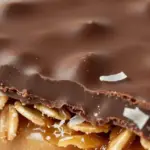
No-Bake Chocolate Oatmeal Bars
Ingredients
- 1/2 cup (115g) unsalted butter 🧈
- 2 cups (400g) granulated sugar 🍚
- 1/2 cup (120ml) whole milk 🥛
- 1/3 cup (35g) unsweetened cocoa powder 🍫
- 1 cup (240g) creamy peanut butter 🥜
- 3 cups (270g) quick oats 🌾
- 1 teaspoon vanilla extract 🍦
- Pinch of salt 🧂
- Optional topping: 4 oz (115g) semisweet chocolate + 2 tbsp butter 🍫🧈
- Optional garnish: flaky sea salt or chopped nuts 🥜✨
Instructions
- Line an 8×8 or 9×9 inch (20×20 or 23×23 cm) baking pan with parchment paper, leaving an overhang to lift the bars later.
- In a medium saucepan over medium heat, melt the butter with the sugar, milk, and cocoa powder, stirring constantly until the mixture comes to a gentle boil.
- Let the mixture boil for 1 minute while stirring (this helps the sugar dissolve and the mixture thicken). Remove from heat.
- Stir in the peanut butter, vanilla extract, and a pinch of salt until smooth and fully combined.
- Fold in the quick oats until every oat is coated and the mixture is evenly mixed.
- Press the oatmeal mixture firmly and evenly into the prepared pan using the back of a spoon or a piece of parchment to compact it.
- If using the optional chocolate topping: melt the semisweet chocolate with the butter in a microwave-safe bowl in 20-second bursts, stirring between bursts, then spread over the pressed bars. Swirl in a little extra peanut butter if you like.
- Sprinkle with flaky sea salt or chopped nuts if desired, then refrigerate the pan for at least 1 hour (or until set).
- Once firm, lift the slab from the pan using the parchment overhang and cut into bars or squares. Store in an airtight container in the fridge for up to a week.