
Introduction
Bright, tender orange-vanilla buttermilk muffins are the kind of bake that anchors a morning with sunshine and gentle sweetness.
As a professional recipe creator I always look for bakes that balance comfort and lift, and these muffins deliver with a light crumb that keeps its tenderness even the next day.
This introduction is about mood and technique rather than the precise recipe details: imagine the scent of citrus brightening the kitchen, the soft hum of the oven, and the satisfaction of a small, golden individual cake that feels both homey and just a bit elevated.
I love recipes that are forgiving; they allow you to focus on texture and finish rather than worry over every gram. These muffins reward gentle handling — the batter comes together quickly and benefits from a brief rest so the flour hydrates and the crumb sets up for a tender result.
In the paragraphs that follow you’ll find clear steps and an ingredient list in their dedicated sections, while here I’ll simply say that this is a go-to when you want something citrusy, soft, and comforting without fuss.
Expect bright aroma, a delicate vanilla lift, and a crumb that yields easily to a gentle pull: the ideal companion for coffee, tea, or a lunchbox surprise.
Why You’ll Love This Recipe
What makes this muffin recipe a keeper goes beyond flavor alone.
First, it leans on classic techniques that create reliable texture: a balanced mix of acid and leavening for lift, gentle mixing to avoid toughness, and the bright lift of citrus that cuts through richness.
Second, it’s versatile — you can enjoy them plain, glazed, or adapted with small add-ins for variety. As a food blogger, I appreciate recipes that are both approachable and adaptable; these muffins fit that description.
Third, they’re a sensory win: the warm, fragrant hit of citrus zest against a soft, buttery base is universally appealing.
Finally, these muffins are forgiving in the hands of a home baker. Small variations in mixing or oven environment won’t derail success if you follow a few simple technique notes that I share later.
If you’re drawn to quick bakes that still feel special, this recipe answers the call. It’s an easy way to elevate a regular breakfast rotation or offer something homemade when guests drop by. Expect bright flavor, tender crumb, and a pleasing, uncomplicated process that leaves you with plenty of time to enjoy the baking moment as well as the result.
Flavor & Texture Profile
Citrus and vanilla play the lead roles in the flavor profile here, creating a fresh, fragrant experience that feels both bright and comforting.
The orange zest provides immediate aromatic top notes — sharp, floral, and vibrant — while the orange juice contributes a clean citrus tang that lifts every bite. Vanilla provides a soft backdrop, rounding edges and adding sweet depth without overpowering the citrus.
Texture is equally important. These muffins aim for a tender, moist crumb that yields gracefully rather than a dry or crumbly interior. The right balance of fat and acid keeps the crumb supple, while careful mixing ensures it remains light rather than chewy.
The surface should be gently domed with a hint of a crust that gives way to a soft interior; if a glaze is used, it introduces an extra layer of sweetness and a delicate sheen that contrasts nicely with the soft cake beneath.
When you bite in, you want the initial citrus pop followed by a pillowy interior and a lasting vanilla warmth — that interplay between bright and mellow is what makes these muffins so addictive.
In short, think aromatic brightness, soft tender texture, and a finish that invites a second piece.
Gathering Ingredients
Assemble everything before you start to streamline the bake and keep the process calm.
Lay out your ingredients and tools so each step flows without interruption; this small habit improves consistency and reduces stress.
- 3/4 cup (150 g) granulated sugar
- 2 tablespoons orange zest (about 2 large oranges)
- 2 tablespoons fresh orange juice
- 2 cups (250 g) all-purpose flour
- 2 1/2 teaspoons baking powder
- 1/2 teaspoon baking soda
- 1/2 cup + 2 tablespoons buttermilk, room temperature
- 1/2 cup (1 stick / 113 g) unsalted butter, melted
- 2 large eggs, room temperature
- 1 1/2 teaspoons vanilla extract
- 1 cup (125 g) confectioners’ sugar (for glaze, optional)
- 2–3 tablespoons fresh orange juice (for glaze)
- Paper liners or nonstick spray
Pro tips for ingredient quality: choose fresh, fragrant oranges for the best zest and juice; real vanilla extract will give a rounded warmth that pairs beautifully with citrus; and room-temperature eggs and buttermilk help yield a smooth, emulsified batter.
If you prefer a slightly brighter citrus note, prioritize fresh zesting right before mixing and rub it into the sugar to bloom the oils — this small step unlocks powerful aroma and ensures the citrus is front-and-center in every bite.
Finally, have parchment, liners, or a reliable nonstick method at the ready so you can transfer the batter quickly when the oven is ready.
Preparation Overview
A calm, orderly prep routine sets the stage for success.
Start with bright, fresh citrus and give yourself the time to zest carefully — that fragrant oil in the zest is a major contributor to aroma, and a gentle rub into the sugar helps release it fully.
Use separate bowls for dry and wet components to make folding quick and even; this separation keeps the batter from overmixing and helps maintain the tender crumb you’re aiming for.
When combining wet and dry, stir only until the batter comes together. Those small lumps are a sign that you’ve avoided overworking the gluten; they will disappear as the muffin crumb bakes into its light structure.
A brief resting period for the batter does wonders — it allows the flour to hydrate and the mix to thicken slightly, which improves texture and helps the muffins hold a gentle dome.
If you opt for a glaze, whisk it until silky-smooth and pourable; a light drizzle enhances surface texture and adds a glossy note without overwhelming the citrus.
Finally, have your baking tools at the ready: a reliable muffin tin, liners or spray, a scoop for even portioning, and a cooling rack for finishing. These small preparations keep the whole process smooth and enjoyable.
Cooking / Assembly Process
Follow precise steps in the baking section below for best results.
- Preheat oven to 425°F (220°C). Line a 12-cup muffin pan with paper liners or spray with nonstick spray.
- Zest and juice the oranges, keeping both zest and juice separate. Reserve about 2 tablespoons juice for the batter and 2–3 tablespoons for the glaze if using.
- Rub the orange zest into the granulated sugar with your fingertips until the sugar is fragrant and slightly damp.
- In a large bowl whisk together the flour, baking powder and baking soda until evenly combined.
- In a separate bowl whisk the buttermilk, fresh orange juice (2 tbsp), melted butter, eggs and vanilla extract until smooth.
- Pour the wet ingredients into the dry ingredients and stir gently just until combined — do not overmix; a few small lumps are fine.
- Let the batter rest at room temperature for 10 minutes to hydrate the flour and thicken slightly.
- Divide the batter evenly among the prepared muffin cups, filling nearly to the top.
- Bake at 425°F (220°C) for 5 minutes, then without opening the oven reduce the temperature to 350°F (175°C) and bake for an additional 12–15 minutes, or until a toothpick inserted in the center comes out with a few moist crumbs.
- Cool the muffins in the pan for 5 minutes, then transfer to a wire rack to finish cooling.
- To make the glaze (optional): whisk the confectioners’ sugar with 2–3 tablespoons fresh orange juice until smooth and pourable.
- Drizzle the glaze over warm muffins and let set about 10 minutes before serving.
Technique notes: be precise when preheating and when you change oven temperature as directed; the initial blast of higher heat encourages a lovely dome while the lower temperature finishes the interior gently. Use a portioning scoop for even rises and consistent baking times. Letting the muffins cool briefly in the tin before moving them helps them set so they don’t tear, and glazing while they are warm allows the glaze to spread into nooks for a pretty finish.
Serving Suggestions
Serve these muffins simply to highlight the citrus and vanilla.
A light spread of softened butter or a subtle smear of mascarpone enhances the soft crumb without overshadowing the orange aroma. For a sweeter presentation, the optional glaze adds a glossy finish and an extra citrus note that appeals to those with a sweeter tooth.
Pairings: a bright coffee with citrus-forward tasting notes, a floral black tea, or a chilled glass of milk each complements the muffins in different ways. For a brunch spread, arrange with fresh berries and yogurt to create a balance of textures and colors.
If you’re serving for guests, consider presenting the muffins in a basket lined with a linen cloth and a few whole oranges and zesting tools as decor to emphasize the fresh citrus character.
These muffins also travel well: wrapped lightly or placed in a container with a paper liner between layers, they’re an easy addition to picnic fare or a portable breakfast option.
For a small celebration, top a few muffins with a thin wedge of candied orange to echo the citrus theme and add a decorative touch that doubles as a flavor accent.
Storage & Make-Ahead Tips
Keep baked muffins fresh and maintain their tender crumb with a few simple storage strategies.
At room temperature, store cooled muffins in an airtight container lined with a paper towel to absorb any excess surface moisture; they will remain soft for a day or two with this approach. For longer storage, freeze cooled muffins individually wrapped in plastic and placed in a freezer-safe bag. Thaw at room temperature or warm gently in the oven to revive the crumb.
If you plan to make these ahead for a brunch or gathering, bake them the day before and keep them at room temperature in airtight storage; add a glaze shortly before serving to retain a fresh appearance and texture. Alternatively, freeze the unglazed muffins and finish with a quick glaze after thawing for a nearly fresh-baked presentation.
When reheating from chilled or frozen, use short bursts of low heat to avoid drying out the interior. A gentle warming restores the muffin’s soft texture while preserving its citrus aroma.
Finally, avoid refrigerating muffins for long periods as refrigeration can dry baked goods more quickly than freezing; reserve the fridge only for filled or perishable-topped variations that require cold storage.
Frequently Asked Questions
Q: Can I use bottled orange juice?
A: Fresh citrus provides more aromatic oils and a brighter flavor; bottled juice will work in a pinch but the result will be less vivid.
Q: My muffins are dense — what went wrong?
A: Overmixing the batter can develop gluten and lead to a heavier crumb; fold just until combined and accept a few small lumps.
Q: Can I make these dairy-free?
A: You can substitute a cultured dairy-free milk alternative and a plant-based butter substitute, but ingredient and texture adjustments may be needed to replicate the exact crumb.
Q: How do I get a higher dome?
A: An initial burst of higher oven heat encourages a pronounced rise; using a hot oven for the first part of baking and then lowering it helps set the dome before the interior finishes baking.
Q: Is the glaze necessary?
A: The glaze is optional and adds sweetness and a glossy finish — omit it if you prefer a subtler, less sweet muffin.
Final note: this FAQ section is designed to address common concerns and offer quick fixes while keeping the main recipe steps and ingredient measurements in their respective structured places above; if you have a specific issue while baking, I’m happy to help troubleshoot further.
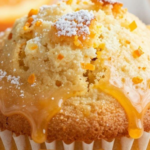
Orange-Vanilla Buttermilk Muffins
Ingredients
- 3/4 cup (150 g) granulated sugar 🍚
- 2 tablespoons orange zest (about 2 large oranges) 🍊
- 2 tablespoons fresh orange juice 🍊
- 2 cups (250 g) all-purpose flour 🌾
- 2 1/2 teaspoons baking powder 🧂
- 1/2 teaspoon baking soda 🧪
- 1/2 cup + 2 tablespoons buttermilk, room temperature 🥛
- 1/2 cup (1 stick / 113 g) unsalted butter, melted 🧈
- 2 large eggs, room temperature 🥚
- 1 1/2 teaspoons vanilla extract 🍶
- 1 cup (125 g) confectioners’ sugar (for glaze, optional) 🍬
- 2–3 tablespoons fresh orange juice (for glaze) 🍊
- Paper liners or nonstick spray 🧴
Instructions
- Preheat oven to 425°F (220°C). Line a 12-cup muffin pan with paper liners or spray with nonstick spray.
- Zest and juice the oranges, keeping both zest and juice separate. Reserve about 2 tbsp juice for the batter and 2–3 tbsp for the glaze if using.
- Rub the orange zest into the granulated sugar with your fingertips until the sugar is fragrant and slightly damp.
- In a large bowl whisk together the flour, baking powder and baking soda until evenly combined.
- In a separate bowl whisk the buttermilk, fresh orange juice (2 tbsp), melted butter, eggs and vanilla extract until smooth.
- Pour the wet ingredients into the dry ingredients and stir gently just until combined — do not overmix; a few small lumps are fine.
- Let the batter rest at room temperature for 10 minutes to hydrate the flour and thicken slightly.
- Divide the batter evenly among the prepared muffin cups, filling nearly to the top.
- Bake at 425°F (220°C) for 5 minutes, then without opening the oven reduce the temperature to 350°F (175°C) and bake for an additional 12–15 minutes, or until a toothpick inserted in the center comes out with a few moist crumbs.
- Cool the muffins in the pan for 5 minutes, then transfer to a wire rack to finish cooling.
- To make the glaze (optional): whisk the confectioners’ sugar with 2–3 tablespoons fresh orange juice until smooth and pourable.
- Drizzle the glaze over warm muffins and let set about 10 minutes before serving.