
Introduction
A sunshine-scented classic
As a food writer who chases textures as much as flavor, I adore recipes that feel effortless yet deliver a moment. This chiffon cake is one of those rare bakes: ethereal crumb, clear citrus brightness, and a glaze that adds a silky sheen without weighing the cake down. The charm of this recipe lies in its simplicity and how technique elevates humble pantry staples into something almost cloudlike.
What I love most is how approachable it is for home bakers who want a refined result without fuss. You don’t need elaborate equipment, but you do need a gentle hand, patience during folding, and respect for the air you build into the batter. The payoff is a cake that rises tall and casts a delicate crumb when sliced.
In this article I’ll walk you through the reasons this cake works, how to prep for success, and provide practical tips I’ve learned testing chiffon batters. Expect practical technique notes, sensory cues to watch for, and suggestions to make this cake shine at teatime or a light dessert course. Read on for ingredient guidance, a stepwise assembly, serving ideas, and storage tips that keep the cake inviting for days.
Why You’ll Love This Recipe
Delightfully light and versatile
This chiffon cake sits in that special space between sponge and angel food: it carries the richness of egg yolks and oil but keeps an airy lift from beaten egg whites. The citrus element feels celebratory without being overbearing, and the glaze finishes it with a bright, glossy note. Because of its airy structure it pairs beautifully with tea, fresh fruit, or a simple dollop of softly whipped cream.
If you’re someone who treasures a cake with an elegant height and a soft, moist interior, this will quickly become a favorite. The texture invites delicate slicing and the cake holds its shape well for serving, making it ideal for gatherings where a refined presentation matters. The recipe also responds well to small flavor twists — think a touch of almond extract or a scatter of toasted nuts — without losing its signature lightness.
Beyond flavor, you’ll love how the recipe teaches technique: mastering meringue folding and learning to preserve air will elevate many other batters. It’s a rewarding bake because the results tangibly reflect the care you take during mixing and handling. Expect compliments from guests and quiet satisfaction from the baker when that clean, tall slice shows off a tender, even crumb.
Flavor & Texture Profile
Bright citrus, silky glaze, cloudlike crumb
This cake balances lively orange perfume with a gentle sweetness that lets the eggy, vanilla notes peek through. The oil keeps the crumb tender and moist in a way butter-based cakes cannot, while the whipped whites give the interior those fine, suspended air pockets that melt on the tongue. Texture is everything here: the contrast between the cake’s fragile, spongy interior and the thin silk of glaze is what makes each bite feel elevated.
When you slice a perfect chiffon, you should notice:
- A delicate elasticity when pressing a piece with your finger — it should spring back softly.
- An open, even network of tiny bubbles that reflect well-incorporated meringue.
- A clean, non-greasy finish from the oil, leaving the palate feeling refreshed by citrus.
The glaze serves a dual role: it amplifies orange aroma and provides a slight textural contrast without forming a hard crust. If you prefer a stronger citrus burst, a whisper of zest over the glaze offers aromatic lift without altering structure. The overall flavor walk is light and uplifting, perfect for warm-weather afternoons or as a gentle dessert to end a meal without heaviness.
Gathering Ingredients
What you’ll place on the counter
Before you start, assemble everything so measuring goes quickly and you avoid overmixing or deflating the batter mid-process. Having ingredients at hand helps maintain momentum — particularly when working with egg whites that can lose structure if left waiting.
- 7 large eggs, separated
- 200 g caster sugar (split into two portions)
- 120 g cake flour (sifted)
- 1 tsp baking powder
- 1/2 tsp fine salt
- 120 ml vegetable oil
- 180 ml fresh orange juice
- Zest of 2 oranges
- 1 tsp vanilla extract
- 1/2 tsp cream of tartar (or lemon juice)
- 150 g powdered sugar (for glaze)
Treat the ingredient layout as a workflow: have bowls ready for separated yolks and whites, measure flour into a sifter, and zest the oranges first so any stray zest is contained. Freshly squeezed juice and freshly grated zest make a perceptible difference — the oils in the zest are what give the glaze and batter a lively, citrusy kick. Keep the eggs at room temperature for easier whipping, and make sure your mixing bowls are spotlessly clean and dry so the whites whip to full volume.
Preparation Overview
Plan, prep, and respect the air
An efficiently executed chiffon hinges on two principles: careful dry-ingredient handling and protection of the air you whip into the whites. The workflow is straightforward but paced — sift dry ingredients to avoid lumps, temper liquids if needed, and move deliberately when folding. I always recommend arranging mise en place so each step leads fluidly into the next.
Start by preparing your equipment: a clean, dry bowl for whipping whites and a separate bowl for combining yolks and wet ingredients. Sifting the flour with leavening evenly distributes the raising agent and salt, preventing localized pockets that can cause uneven crumb. When you combine wet and dry components, minimal strokes preserve lift — the batter should show a marbled look before you finish folding.
Timing matters: whites are at their peak right after whipping, so incorporate them into the batter promptly. Gentle folding means using a flexible spatula and turning the mixture from the bottom up in wide arcs rather than aggressive stirring. If you follow the rhythm of folding — lighten, then finish — the batter retains volume and bakes into the signature height of a chiffon. Finally, pour into the ungreased pan and bake without delay to make the most of the trapped air.
Cooking / Assembly Process
Step-by-step assembly and baking
Begin with a clean bowl for the whites and one for the yolk mixture. Whip the whites to the appropriate stage and incorporate them into the yolk batter using a gentle, patient folding method. The goal is to join the components without losing the precious air you’ve just built. Next, transfer the batter carefully to the ungreased tube pan, smooth the top, and remove large pockets of air before it goes into the oven. After baking, immediately invert the pan to cool upside down so the structure sets tall and stable.
A few practical cues will help you judge readiness at each stage: watch for glossy, stiff peaks in the meringue and a batter that holds light ribbons when folded. When the cake is baking, its exterior should develop a soft, golden tone and the center should feel springy when tested. When cooling inverted, allow the cake to finish setting completely before running a knife around the tube and sides to release it cleanly.
Finish with a simple glaze: sift the sweetness and add just enough citrus to make a pourable shine. The glaze should cling to the crumb without forming a hard sugar shell. A final touch of finely grated zest over the glaze brightens aroma and provides a tactile contrast. Store the finished cake in a way that preserves moisture without collapsing the crumb.
Serving Suggestions
Ways to present and pair
This chiffon shines when served simply and with intention. Because it’s so light, accompaniments should be delicate: a bowl of seasonal berries, a small pot of softly whipped cream, or a scatter of toasted almond slivers each add a complementary note without overwhelming the cake. For a more formal presentation, slice with a thin, serrated knife and wipe the blade between cuts to preserve neat edges.
Consider temperature contrasts: a slightly chilled fruit compote or a warm citrus cream poured alongside creates an appealing interplay with the cool, airy texture of the cake. Drinks should follow the same line — a floral tea or a light sparkling wine pairs beautifully and lets the orange flavor remain the star. If serving at brunch, small wedges with yogurt and fresh fruit make a balanced plate.
For celebrations, adorn the top lightly: candied orange slices, a few herb sprigs like thyme for aromatic lift, or a fine dusting of extra powdered sugar. Keep garnishes minimal to showcase the cake’s silhouette and delicate crumb. Presentation is as much about restraint as embellishment here — the cake’s natural elegance is best preserved with thoughtful, small touches.
Storage & Make-Ahead Tips
Keeping tenderness and height
Chiffon tastes best within a short window, but you can prepare parts ahead and store them thoughtfully. Once glazed and sliced, keep the cake covered at room temperature for a day to preserve the tender crumb and avoid refrigeration, which can dry it out. If you need to make the cake further ahead, the unglazed layers freeze well when wrapped snugly to prevent freezer burn; thaw gently at room temperature before glazing.
If you foresee a long gap between baking and serving, store the cake unglazed and apply the glaze just before the event for the freshest sheen. For the glaze itself, keep it in an airtight container in the fridge and bring it to room temperature before use so it pours smoothly. When freezing, slice into individual portions for easy thawing and simple service.
When transporting the cake, stabilize the base and avoid stacking anything on top; a shallow box or cake carrier is ideal. If you’re prepping components in advance, zested peel and freshly squeezed juice can be stored separately and combined before baking to maximize aroma. Follow these handling steps and the cake retains its signature lift, texture, and citrus vibrancy even when made ahead.
Frequently Asked Questions
Answers to common chiffon concerns
- My cake collapsed — what went wrong?
The most common cause is over-folding or removing the cake from the pan before it’s completely set. Gentle folding preserves air; cooling upside down helps the structure set tall. - Can I substitute oil for butter?
Oil contributes to the cake’s tender, moist crumb differently than butter; swapping may change texture and is not recommended if you want the classic chiffon result. - How do I know when the whites are ready?
Look for glossy, stiff peaks that hold their shape; the meringue should not be dry or grainy. Stiff, shiny peaks indicate the meringue will support the batter. - Can I use bottled juice?
Freshly squeezed juice brings brighter aroma and a cleaner citrus note; bottled juice works in a pinch but the result will be less vibrant.
If you have other questions about technique, ingredient swaps, or how to adapt the recipe for different pan sizes, feel free to ask — I’m happy to help troubleshoot and offer adaptations based on your equipment and preferences.
Print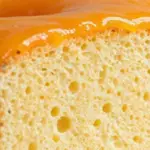
Susan’s Fresh Orange Chiffon Cake
Ingredients
- 7 large eggs, separated 🥚
- 200 g caster sugar (split: 100 g for yolks, 100 g for whites) 🍚
- 120 g cake flour (or plain flour, sifted) 🌾
- 1 tsp baking powder 🧂
- 1/2 tsp fine salt 🧂
- 120 ml vegetable oil 🛢️
- 180 ml fresh orange juice (about 3–4 oranges) 🍊
- Zest of 2 oranges 🍊
- 1 tsp vanilla extract 🍶
- 1/2 tsp cream of tartar (or 1 tbsp lemon juice) 🍋
- For the glaze: 150 g powdered sugar and 2–3 tbsp orange juice 🍬🍊
Instructions
- Preheat oven to 325°F (160°C). Do NOT grease a 9–10 inch (23–25 cm) tube/chiffon pan — the batter needs to cling to the sides to rise.
- Sift together the cake flour, baking powder and salt into a bowl and set aside. 🌾
- In a large bowl, whisk the egg yolks with 100 g caster sugar until pale and slightly thickened. Add the vegetable oil, fresh orange juice, orange zest and vanilla; mix until smooth. 🍊🛢️
- Fold the dry ingredients into the yolk mixture until just combined — avoid overmixing. 🥣
- In a separate clean bowl, beat the egg whites with cream of tartar until soft peaks form. Gradually add the remaining 100 g sugar and continue beating to glossy stiff peaks. 🍚🥚
- Fold one-third of the beaten egg whites into the yolk batter to lighten it, then gently fold in the remaining whites in two additions, keeping as much air as possible. Use a spatula and fold from bottom to top. 🍰
- Pour the batter into the ungreased chiffon pan, smooth the top, and tap gently to remove large air bubbles. 🧁
- Bake for 45–55 minutes, or until the top is golden and a skewer inserted into the center comes out clean. Oven times vary — start checking at 45 minutes. ⏱️
- Immediately invert the pan onto a bottle or cooling rack and let the cake cool completely upside down (about 1 hour) to preserve its height and light texture. Do not remove from pan while warm. ❄️
- When cool, run a thin knife around the pan edges and the center tube to release the cake, then invert onto a serving plate. 🔪
- Prepare the glaze: whisk powdered sugar with 2–3 tbsp fresh orange juice until smooth and pourable. Adjust thickness with more sugar or juice. 🍬🍊
- Drizzle the glaze over the cooled cake, let set a few minutes, then slice and serve. Store any leftovers covered at room temperature for 1–2 days. 🍽️