
Introduction
A cozy casserole for busy nights.
Sink into the kind of dinner that feels like a warm hug: bubbling, creamy, and built for sharing. This recipe takes familiar pantry staples and transforms them into a layered, comforting bake that bridges simple weeknight practicality with the indulgence of a weekend treat. The beauty lies in the balance between a luxuriously creamy interior and a golden, slightly crisp top — textures that play off each other with every spoonful.
As a food writer who leans into approachable techniques, I love how this dish hides a little finesse beneath its humble surface. It’s a recipe you can assemble while juggling life’s rhythms, then slide into the oven and let the kitchen aromas do the rest. Expect bright, leafy notes folded into a rich, dairy-forward base and an inviting crust that signals it’s time to gather round. Whether you’re feeding your family, entertaining friends, or making a crowd-pleasing dish to bring along, this bake rewards small moments of attention with layers of comfort.
In the sections that follow I’ll walk you through what to buy, how to streamline mise en place, the assembly rhythm that guarantees creamy, even results, and smart ways to store or reheat leftovers so the texture stays appealing. Read on for tips that lift a simple casserole into something memorable without extra fuss.
Why You’ll Love This Recipe
Practical, shareable, and endlessly adaptable.
This bake hits several notes that make it a weeknight superstar: it relies on straightforward techniques, converts easily into larger portions, and travels well for potlucks. The assembly is forgiving — small variations in quantity or shape of the pasta won’t derail the final result — which is perfect when you’re juggling grocery runs and busy schedules. It also plays nice with substitutions, allowing you to tweak textures or flavor accents without losing its comforting identity.
I especially appreciate how it rewards simple mise en place: a quick sauté, a fast mix, and a single oven stint. These steps turn routine ingredients into something elevated, thanks to contrast between the lush, creamy interior and the lightly browned top that adds a hint of savory crunch. For anyone who enjoys a recipe that feels both homely and a little bit indulgent, this bake answers that call.
Finally, the dish sits at a great intersection between convenience and hospitality. It’s casual enough for an everyday dinner yet presentable enough to bring to a friend’s gathering. Little finishing touches — a scattering of fresh herbs, a warm bowl of sauce to tuck alongside, or a crisp green salad — turn it into a meal that feels intentional without demanding an entire evening in the kitchen.
Flavor & Texture Profile
Creamy center, melty pockets, and a toasty finish.
What makes this bake sing is the interplay of textures: a pillowy, saucy interior contrasted by a gently crisped surface. Inside, the dish is unapologetically creamy — silky dairy blends coat each pasta tube, creating luxurious ribbons of richness. Interspersed throughout are tender, tenderized ribbons of leafy green, which add a subtle vegetal brightness and a slight lift to cut through the richness.
On top, a blanket of grated cheeses melts into glossy patches before taking on color in the oven. Those browned edges introduce a toasty, slightly nutty counterpoint that keeps each mouthful interesting. The contrast between soft and slightly chewy pasta, velvet-like filling, and a bronzed top is what keeps people going back for seconds.
Aromatic accents are restrained but essential — a whisper of dried herb and a gentle hit of all-purpose seasoning round out the profile without overwhelming the creamy heart of the dish. This approach keeps the flavors familiar and crowd-pleasing, while leaving room for optional bright or spicy accompaniments at the table if you want to personalize each portion.
Gathering Ingredients
What to pick up before you start — organized for a smooth prep.
- 12 oz (340g) penne or rigatoni pasta
- 2 tablespoons olive oil
- 1 onion, chopped
- 2 cloves garlic, minced
- 10 oz (280g) fresh spinach, chopped
- 15 oz (425g) ricotta cheese
- 1 cup grated mozzarella cheese
- 1/2 cup grated Parmesan cheese
- 1 egg, lightly beaten
- 1 teaspoon dried oregano
- Salt and pepper, to taste
- 1/2 cup marinara sauce (optional)
Gathering everything before you begin keeps the assembly quick and relaxed. Line up containers for measured cheeses and spices, and choose a baking dish with a wide surface so the top browns evenly. If you prefer to swap a short pasta shape for a tubular one, this is the moment to do it — the structure works best with shapes that hold creamy filling in their centers.
Also consider three prep touches that make the process feel effortless: have a large pot ready for pasta water, a shallow bowl for mixing, and a rimmed baking dish for even oven heat. When you’ve got bowls of measured cheeses and seasonings at hand, the final toss and transfer become a simple, satisfying rhythm instead of a scramble.
Preparation Overview
Mise en place and technique notes to ensure even creaminess.
This section focuses on process: how to prep so the assembly feels effortless and the finished texture is reliably creamy. Start by setting up three workstations — one for boiling and draining starch, one for sautéing aromatic produce, and one for mixing the dairy base. Doing so prevents hot components from cooling prematurely or components from overcooking during the final assembly.
When cooking the pasta, aim for a tender-but-firm bite so it still holds shape in the bake. Drain well but don’t let it sit and become dry; a brief toss with a touch of fat will keep the pieces separate and receptive to the creamy binder. For the leafy greens, a quick heat through is enough to soften the texture and concentrate flavor; avoid overcooking so they retain pleasant body within the creamy matrix.
The dairy base should be mixed until smooth and homogenous; gentle folding keeps the structure light and prevents the filling from breaking down into a grainy texture. When combining hot and cooler elements, cool the warm items slightly so the binder doesn’t scramble. Finally, assemble in a vessel that promotes even browning on top — a wide surface encourages an attractive, golden finish without needing intense heat.
Cooking / Assembly Process
Step-by-step instructions for confident assembly and baking.
- Preheat oven to 375°F (190°C).
- Cook the pasta in salted boiling water until al dente according to package directions. Drain and set aside.
- Heat the olive oil in a large skillet over medium heat. Add the chopped onion and sauté 3–4 minutes until translucent.
- Add the minced garlic and cook 30–60 seconds until fragrant.
- Add the chopped spinach to the skillet and cook 2–3 minutes until wilted. Remove from heat and let cool slightly.
- In a large bowl, combine ricotta, half the mozzarella, half the Parmesan, the beaten egg, dried oregano, salt and pepper. Stir until smooth.
- Fold the drained pasta and wilted spinach into the ricotta mixture, mixing until the pasta is evenly coated.
- Transfer the mixture to a lightly greased baking dish. Spoon the marinara over the top if using, then sprinkle the remaining mozzarella and Parmesan evenly.
- Bake for 25–30 minutes, until the top is golden and bubbly. Let rest 5 minutes before serving.
- Serve warm with extra marinara or a simple green salad on the side.
Work with confidence: follow the sequence and the textures will tell you when you’re ready to move to the next stage. Let the assembled dish rest briefly after it comes out of the oven so the filling settles and slices hold shape more cleanly.
Serving Suggestions
Presentation ideas and pairing notes from a pro.
This casserole thrives alongside crisp, contrasting elements. Think green, crunchy salads tossed in a bright vinaigrette to cut through the creamy richness, and a simple, crusty loaf for mopping up any sauce. Textural contrast elevates each bite: add a scatter of lightly toasted breadcrumbs or a few fresh herb leaves for a fragrant finish that lifts the overall plate.
If you prefer a more composed meal, set up a small condiment station of tangy, acidic accompaniments and pickled items that bring balance; a bowl of bright, acidic spoonable sauce also makes the dish feel more celebratory. For beverage pairings, choose drinks with lively acidity or herbal notes to refresh the palate between bites. The goal is to complement, not overpower, the luxurious core of the bake.
When serving a group, present the pan at the table with a tray of simple sides so guests can help themselves. The communal aspect — passing bowls, sharing a warm casserole — is part of this dish’s charm, turning a practical tray bake into a welcoming centerpiece for conversation and company.
Storage & Make-Ahead Tips
Smart strategies to keep texture and flavor intact.
This casserole is forgiving when it comes to make-ahead planning. Assemble the components and store them chilled until you’re ready to bake, or finish the full assembly and refrigerate for a day if you want to free up evening time. For longer storage, freeze individual slices wrapped tightly to protect against freezer burn and preserve texture. When reheating, gentle oven heat helps revive the top and interiors more evenly than a microwave, and a splash of liquid or a light tent of foil can prevent drying.
If you plan to freeze before baking, use an ovenproof dish that can go straight from freezer to oven, and allow additional time for the frozen center to reach temperature. If reheating cooked leftovers, bring the dish slowly to temperature to avoid drying out the creamy center; cover during initial heating then uncover briefly to refresh the top if you want a little browning. Little technique adjustments like these extend the dish’s shelf life while keeping the eating experience close to freshly baked quality.
Label and date any stored portions, and when in doubt, rely on sight and smell to judge freshness — the dairy-forward filling and fresh greens respond best to thoughtful, timely storage rather than prolonged aging.
Frequently Asked Questions
Answers to common concerns and variations.
- Can I make substitutions? Yes — small adjustments to shapes and types of dairy or pasta are possible; prioritize textures that mimic the original structure so the casserole holds together and the surface browns attractively.
- How do I avoid a watery bake? Ensure cooked starch is well-drained and cooled slightly before folding into the binder; gently press out excess liquid from tender greens if they release a lot of moisture during cooking.
- Can I prepare this ahead? Absolutely — assemble and chill, or assemble and freeze for longer storage; adjust baking time if starting from chilled or frozen.
- Best bakeware to use? A wide, shallow dish encourages even browning on top, while a deeper vessel yields a thicker, creamier interior. Choose based on whether you prioritize a browned crust or a more substantial, gooey center.
These tips come from repeated kitchen tests and help maintain the recipe’s intended texture and balance. If you still have questions about adapting the dish or troubleshooting a particular texture issue, I’m happy to help — provide details about the ingredient you want to change or the result you’re getting, and I’ll suggest specific technique tweaks to get you where you want to be.
Print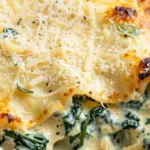
Creamy Spinach & Ricotta Pasta Bake
Ingredients
- 12 oz (340g) penne or rigatoni pasta 🍝
- 2 tablespoons olive oil 🫒
- 1 onion, chopped 🧅
- 2 cloves garlic, minced 🧄
- 10 oz (280g) fresh spinach, chopped 🥬
- 15 oz (425g) ricotta cheese 🧀
- 1 cup grated mozzarella cheese 🧀
- 1/2 cup grated Parmesan cheese 🧀
- 1 egg, lightly beaten 🥚
- 1 teaspoon dried oregano 🌿
- Salt and pepper, to taste 🧂
- 1/2 cup marinara sauce (optional) 🍅
Instructions
- Preheat oven to 375°F (190°C).
- Cook the pasta in salted boiling water until al dente according to package directions. Drain and set aside.
- Heat the olive oil in a large skillet over medium heat. Add the chopped onion and sauté 3–4 minutes until translucent.
- Add the minced garlic and cook 30–60 seconds until fragrant.
- Add the chopped spinach to the skillet and cook 2–3 minutes until wilted. Remove from heat and let cool slightly.
- In a large bowl, combine ricotta, half the mozzarella, half the Parmesan, the beaten egg, dried oregano, salt and pepper. Stir until smooth.
- Fold the drained pasta and wilted spinach into the ricotta mixture, mixing until the pasta is evenly coated.
- Transfer the mixture to a lightly greased baking dish. Spoon the marinara over the top if using, then sprinkle the remaining mozzarella and Parmesan evenly.
- Bake for 25–30 minutes, until the top is golden and bubbly. Let rest 5 minutes before serving.
- Serve warm with extra marinara or a simple green salad on the side.