
Introduction
A quick hello from a pro kitchen:
As a recipe developer who loves transforming humble pantry staples into indulgent, dairy-free comforts, I find that a reliable vegan cheese sauce is one of the most versatile tools in the fridge.
This recipe delivers a bright, creamy finish that lifts everything it touches — from weeknight pasta to roasted vegetables and casual snack spreads.
What I love most about plant-based sauces like this is how they combine simple chemistry and texture: emulsification, umami depth and acid balance create the sensation of traditional cheese without the dairy.
In the kitchen I treat this sauce like a modular platform — it can be dialed smoky, bright, herb-forward or extra-spicy while remaining smooth and luscious.
This introduction will walk you through what makes the sauce special, how to approach its flavors and textures, and creative ways to use it beyond the usual suspects. Expect approachable techniques, flavor-minded tips and realistic serving ideas that help you get restaurant-level results at home.
Whether you’re new to vegan cooking or a seasoned plant-based cook, this sauce is engineered to be forgiving, adaptable and instantly satisfying.
Why You’ll Love This Recipe
Ease and versatility:
This sauce was developed for cooks who want maximum flavor from minimal fuss. It comes together with a short list of shelf-stable ingredients and requires only a high-speed blender and a low, gentle heat source if you choose to warm it.
Beyond convenience, the reason people fall in love with this preparation is its balance of savory, tangy and subtly smoky notes that read as familiar and comforting. It behaves like classic cheese sauce in applications — coating pasta with a silky shine, blanketing nachos with cling, or lending creaminess to grain bowls.
As a recipe creator, I also appreciate how forgiving the formula is: it tolerates small swaps (within reason), responds well to seasoning adjustments, and can be thinned or thickened without losing flavor clarity.
If you cook for mixed households, this sauce bridges palates effortlessly: it delivers the comfort of a cheesy condiment without dairy, making it a crowd-pleasing pantry staple.
Use it as a starting point for further experimentation — add herbs, roasted peppers or sautéed aromatics for distinct directions — and you’ll quickly see why it earns a permanent spot in many fridges.
Flavor & Texture Profile
What to expect on the palate and in the mouth:
This cheese sauce consistently delivers a multi-layered flavor profile: nutty richness forms the base, umami depth from savory pantry ingredients provides the impression of aged cheese, while citrus or tang elements brighten and keep the finish clean. A whisper of smoky spice introduces complexity without overpowering the sauce.
In terms of texture, the goal is satin-smooth, creamy viscosity that clings to food. When pureed properly, the mouthfeel is luxuriously thick but still pourable, making it ideal for both drizzling and dipping. The sensation should feel cohesive: no graininess, no compromised emulsion.
Texture is influenced by blender power and liquid ratio; a high-speed blender typically produces a silkier result, but patient scraping and additional liquid adjustments can achieve similar outcomes. Warmth amplifies creaminess and volatiles, rounding flavors and allowing the aromatics and spices to bloom.
If you want to alter the profile, think of changes in three dimensions: fat/nutty base (adds body), acidity (adds bite and lift), and seasoning (balances and defines identity). This mental map makes small tweaks predictable and successful.
Gathering Ingredients
Complete ingredient list for the sauce:
Use these exact components to recreate the sauce as tested. Keep items on hand for fast assembly and consistent results.
- Raw cashews — 1 cup
- Nutritional yeast — 1/3 cup
- Lemon juice — 2 tbsp
- Water — 3/4 cup (plus more to adjust consistency)
- Olive oil — 1 tbsp
- Garlic — 1 clove
- Salt — 1 tsp
- Smoked paprika — 1/2 tsp
- Turmeric — 1/4 tsp
- Dijon mustard — 1 tsp
Pro sourcing tips:
Choose fresh, raw cashews from a reputable brand to avoid off flavors; nutritional yeast should be bright and fragrant rather than stale. Opt for a good-quality Dijon for backbone and a fruity extra-virgin olive oil for smoothness. Use freshly squeezed lemon juice whenever possible for the cleanest acidity.
Storage notes for ingredients:
Keep nuts in the refrigerator or freezer for longest freshness. Store nutritional yeast in a cool, dark place in an airtight container to preserve its savory notes. Small jars or prep bowls for spices make assembly quick and prevent over-seasoning during blending.
Preparation Overview
How to approach this recipe thoughtfully:
Even when working with a short ingredient list, a considered approach makes all the difference. Think of this sauce as an emulsion that benefits from proper equipment, careful seasoning and small adjustments rather than large changes.
Start by confirming you have a device capable of producing a truly smooth texture; powerful blenders or high-torque immersion blenders are ideal because they create shear that breaks down nut proteins and yields a silky mouthfeel.
When balancing flavors, proceed incrementally. Acidity should brighten without flattening richness; salt enhances depth, and umami elements round out the profile. Taste with a clean spoon and make micro-adjustments rather than large corrections.
For consistency, visualize the final use: a dip benefits from a thicker body that clings to chips, while a sauce for pasta should coat strands with a glossy sheen. Altering viscosity is best done with small additions of liquid, applied gradually.
Finally, treat heating as optional and gentle: warmth can integrate flavors and slightly thicken the sauce, but high heat risks changing texture. If you choose to warm, maintain low temperatures and constant motion to preserve the smooth, creamy quality you worked to achieve.
Cooking / Assembly Process
Step-by-step instructions:
- Pour boiling water over the cashews and soak for 10 minutes, then drain.
- Add soaked cashews, nutritional yeast, lemon juice, water, olive oil, garlic, salt, smoked paprika, turmeric, and Dijon to a blender.
- Blend on high until completely smooth, scraping down the sides as needed.
- If the sauce is too thick, add water one tablespoon at a time until desired consistency is reached.
- Taste and adjust salt, lemon, or paprika to preference.
- Warm gently in a small saucepan over low heat, stirring, until slightly thickened (optional).
- Serve over pasta, vegetables, nachos, or as a dip.
Technique notes:
Use a tamper or pause to scrape the blender frequently to ensure every bit of cashew is emulsified. When warming, do so over low heat while stirring constantly to avoid scorching and to maintain a silky texture. If you prefer an ultra-smooth finish, pass the sauce through a fine sieve after blending to remove any remaining particulate.
This assembly flow keeps the sauce stable and allows for on-the-fly seasoning adjustments, ensuring consistent results whether you’re spooning it onto roasted cauliflower or tossing it with hot pasta.
Serving Suggestions
Creative and crowd-pleasing pairings:
This sauce is designed to be versatile. For casual entertaining, try it as a warm dip alongside crisp tortilla chips and pickled jalapeños for a balance of creamy and tangy.
For a weeknight dinner, toss the sauce with hot pasta and a handful of sautéed greens for an instant, comforting bowl. It also plays beautifully as a finishing sauce for roasted root vegetables, a drizzle over steamed broccoli, or a luscious component in grain bowls where it adds moisture and depth.
To elevate presentation while keeping prep simple, use roasted or charred garnishes: a sprinkle of toasted nuts, a dusting of smoked paprika, or a scattering of fresh herbs adds color, texture and contrast. For spicy fans, a spoonful of chili oil or hot sauce folded in just before serving creates a bright, layered heat.
This sauce also functions cold as a sandwich spread or a creamy binder for vegan bowls. Its adaptability means you can prepare a batch and use it across multiple meals in the week to simplify meal planning and boost flavor without fuss.
Pair with crisp salads, roasted plates, or simply spoon it over steaming vegetables for immediate satisfaction.
Storage & Make-Ahead Tips
Storing and prepping for busy weeks:
This sauce stores well and is forgiving when reheated or reworked. For the best texture retention, cool the sauce completely before transferring it to an airtight container and refrigerating. Cold sauce will thicken; gently thinning with a small splash of warm water or plant milk while whisking or blending will return it to a pourable consistency.
You can make the sauce ahead for meal prep and keep it refrigerated for several days. If you plan to freeze portions, use freezer-safe containers and leave a little headspace; thaw slowly in the refrigerator and re-emulsify by stirring or briefly blending to restore silkiness.
When reheating on the stove, use low heat and constant motion to avoid separation. Microwave reheating is possible in short bursts at low power, stirring between intervals to encourage even warming.
For best flavor longevity, avoid over-salting up front; flavors can concentrate in storage. If the sauce tastes muted after refrigeration, brighten it with a small splash of acid or a pinch of salt and reheat gently.
Label containers with the date so you use the oldest portions first; this keeps your weekly meal rotation fresh and ensures the sauce is enjoyed at its peak.
Frequently Asked Questions
Common questions answered by a recipe pro:
- Can I make this nut-free? — Yes. You can substitute the cashew base with cooked white beans or silken tofu for a nut-free variation, but texture and flavor will shift; be prepared to adjust seasoning and liquid for desired creaminess.
- How do I fix a grainy texture? — A high-speed blender helps most; alternatively, strain the sauce through a fine mesh sieve or blend longer while scraping down the sides to eliminate residual grittiness.
- Will the color change when reheated? — Plant-based sauces can darken slightly when warmed; gentle reheating minimizes this and preserves brightness.
- Can I make this spicier or smokier? — Absolutely. Add extra smoked spice or a touch of hot sauce to taste for customized heat and depth.
- How long does it keep in the fridge? — Stored properly, it keeps for several days; always check aroma and texture before serving.
Final note:
This FAQ covers typical concerns and quick fixes encountered in home kitchens. If you have a specific question about substitutions, texture rescue, or pairing ideas, I’m happy to help — just share what you have on hand and I’ll suggest targeted adjustments.
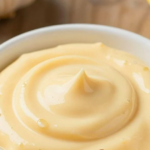
Creamy Vegan Cheese Sauce
Ingredients
- Raw cashews – 1 cup 🥜
- Nutritional yeast – 1/3 cup 🧀
- Lemon juice – 2 tbsp 🍋
- Water – 3/4 cup 💧
- Olive oil – 1 tbsp 🫒
- Garlic – 1 clove 🧄
- Salt – 1 tsp 🧂
- Smoked paprika – 1/2 tsp 🌶️
- Turmeric – 1/4 tsp 🟡
- Dijon mustard – 1 tsp 🌿
Instructions
- Pour boiling water over cashews and soak 10 minutes, then drain.
- Add soaked cashews, nutritional yeast, lemon juice, water, olive oil, garlic, salt, smoked paprika, turmeric and Dijon to a blender.
- Blend on high until completely smooth, scraping down the sides as needed.
- If too thick, add water 1 tbsp at a time until desired consistency is reached.
- Taste and adjust salt, lemon or paprika to preference.
- Warm gently in a small saucepan over low heat, stirring, until slightly thickened (optional).
- Serve over pasta, vegetables, nachos or as a dip.