
Introduction
A sandwich that hits the nostalgia sweet spot
There’s something deeply comforting about a well-made tuna salad sandwich: rich, creamy filling paired with crisp lettuce and toasted bread. This recipe channels that familiar café feeling with a bright, balanced approach—where a few simple techniques elevate pantry staples into something memorable. Think of it as a weekday classic you’ll want on rotation.
What you’ll find in this article
- Flavor and texture notes to help you understand why each element matters.
- A clear ingredients list so you can shop in one trip.
- Step-by-step assembly and practical tips to make the sandwich quickly and cleanly.
Tone and approach
I write recipes as a pro food blogger who cares about texture, timing, and small tricks that make a big difference. Throughout this post I focus on sensory cues and easy swaps rather than rigid rules, so you can adapt the sandwich to what’s in your kitchen without losing the signature taste and mouthfeel that make this version special.
Why You’ll Love This Recipe
Comforting but modern
This sandwich balances familiarity and fresh brightness, giving you a classic sandwich experience with contemporary touches. The overall profile is creamy and slightly tangy, with crunchy vegetable accents that keep each bite interesting. It’s approachable for cooks of all skill levels and forgiving when you want to double the batch for meal prep.
Practical reasons to make it
- Fast to assemble: minimal active time makes it perfect for a workday lunch or quick dinner.
- Versatile: easy to adapt for swaps like different herbs, yogurt instead of some mayo, or bread choices.
- Satisfying balance: protein, crunch, and a bit of fat create sustained satiety without feeling heavy.
Why it stands out
The small details—a splash of citrus for brightness, a touch of mustard for depth, and crisp vegetables for texture—turn a basic tuna mix into something that tastes intentionally crafted rather than thrown together. That’s what gives this sandwich its signature café-quality appeal.
Flavor & Texture Profile
What to expect on the palate
The tuna blend is the heart of the sandwich, offering a creamy, savory base punctuated by fresh, herbal, and acidic notes. The mayonnaise and optional yogurt create a plush mouthfeel while the mustard lends a subtle tang that keeps the flavor from feeling flat. Fresh lemon juice brightens and lifts the overall profile, preventing heaviness.
Textural interplay
- Flaky protein: the tuna provides a tender, flaky texture that contrasts beautifully with crunchy components.
- Crunch: raw celery and diced red onion add crisp, clean bites that keep the sandwich lively.
- Toasted bread: a warm, slightly crisp exterior frames the filling and adds a toasty aroma without overwhelming the center.
- Fresh greens and tomato: they introduce juiciness and a leafy snap that balance the cream.
Balancing tips
When composing sandwiches like this, I aim for contrast in each bite. That means the filling should be creamy but not soupy, the bread toasted enough to hold up, and the vegetables cut to a size that registers on the tongue without dominating. These balances make the eating experience both comforting and dynamic.
Gathering Ingredients
Shop with intention
Prepared thoughtfully, this sandwich relies on simple, high-quality ingredients. Choosing the right versions—fresh lemon, crisp celery, bright herbs, and good bread—makes the assembly sing. If you prefer a lighter spread, Greek yogurt can be blended with mayonnaise for a silkier, tang-forward base. If you want a slightly sharper underpinning, Dijon mustard gives the filling a gentle lift without overwhelming the other flavors.
Full ingredient list (for shopping and prep)
- 2 cans (5 oz/140 g each) tuna in water, drained
- 3 tbsp mayonnaise
- 2 tbsp Greek yogurt (optional)
- 2 stalks celery, finely chopped
- 1/4 cup red onion, finely diced
- 1 tsp Dijon mustard
- 1 tbsp lemon juice, freshly squeezed
- 1 tbsp chopped dill or parsley
- Salt to taste
- Freshly ground black pepper to taste
- 4 slices sourdough or multigrain bread, toasted
- 4 leaves butter lettuce or romaine
- 1 medium tomato, sliced
- 1 tbsp olive oil or melted butter for toasting
Prep notes
Before you begin, make sure tuna is drained well and vegetables are finely chopped so they integrate smoothly into the mix. Having lemon at room temperature will make it easier to juice, and brushing bread with oil or melted butter right before toasting creates a golden, flavorful crust.
Preparation Overview
A quick roadmap before you start
Good mise en place makes this recipe feel effortless. Set out bowls, measuring spoons, and a cutting board so you can move through the short steps without interruption. The two basic stages are: prepare the tuna mixture, and toast and assemble the sandwich. Keeping those stages distinct helps the texture come together properly—creamy filling, warm toasted bread, and crisp vegetables.
Tools and timing mindset
- Tools: a medium mixing bowl, a fork for flaking and mixing, a small bowl for lemon juice if you like, a cutting board and sharp knife for chopping, and a skillet or toaster for the bread.
- Timing: this is a short recipe; focus on managing small details like draining the tuna thoroughly and cutting vegetables uniformly.
- Texture control: taste as you go—adjust brightness with lemon or depth with mustard to suit your palate.
Why these preliminaries matter
When you handle these prep moments deliberately, the final sandwich assembles quickly and consistently. Good preparation prevents soggy bread, ensures even seasoning, and helps you achieve a clean presentation that still feels casual and inviting.
Cooking / Assembly Process
Step-by-step assembly
- Drain the tuna well and place it in a medium mixing bowl.
- Add mayonnaise, Greek yogurt (if using), Dijon mustard and lemon juice. Stir until creamy.
- Fold in the chopped celery, diced red onion and chopped dill or parsley.
- Season the mixture with salt and freshly ground black pepper to taste. Adjust lemon or mustard for brightness if desired.
- Toast the bread slices until golden. Brush lightly with olive oil or melted butter if you like extra richness.
- Assemble sandwiches: spread a generous layer of tuna salad on two slices of toasted bread.
- Top each with lettuce leaves and tomato slices, then close with the remaining bread slices.
- Slice sandwiches in half and serve immediately.
Practical assembly tips
When mixing, use a fork to fold the tuna gently so you retain some flake rather than turning everything into a paste. When toasting bread, aim for a golden color that still gives under gentle pressure—this ensures the crust holds while the interior remains slightly tender. If you prefer a more compact sandwich, press down lightly before slicing to help everything adhere.
Finishing cues
Look for a bright, balanced filling (not too oily, not too dry) and bread that’s evenly toasted. When adding tomato, blot excess moisture with a paper towel if the tomato is very ripe; this keeps the sandwich from becoming soggy during short hold times.
Serving Suggestions
Simple ways to present and enjoy
This sandwich is delicious on its own, but you can elevate the meal with a few complementary elements that play off the tuna’s creaminess and the bread’s toasty notes. Think of accompaniments that introduce contrasting textures and flavors without competing with the main star. A crisp, acidic side or a bright green salad pairs exceptionally well.
Pairing ideas
- Light salads: a vinegary green salad or a simple cucumber-and-dill salad adds refreshing acidity.
- Crunchy sides: kettle chips or a bowl of crisp carrot and celery sticks amplify the sandwich’s satisfying crunch.
- Pickles: a tart pickle or quick-pickled red onion provides a zesty counterpoint.
- Beverage matches: bright, citrus-forward iced tea or a dry white wine complements the tuna’s brightness.
Presentation tips
Slice the sandwich on a bias for an inviting cross-section that showcases the filling and textures. If serving to guests, arrange halves with a small ramekin of pickles or lemon wedges on the side. Keep garnishes minimal so the sandwich remains the focal point.
Storage & Make-Ahead Tips
Storing the tuna salad
Prepared tuna salad stores well for short-term use when refrigerated properly. Transfer it to an airtight container and place it on the middle shelf to keep it at a consistent, safe temperature. Use within the recommended time for best texture and flavor preservation. When you’re ready to use it, give the salad a quick stir to reincorporate any separated dressing and taste for seasoning adjustments.
Make-ahead sandwich strategy
- Assemble the tuna salad in advance but hold off on toasting the bread until serving time to maintain optimal texture.
- If you must assemble sandwiches ahead, layer lettuce between the bread and tuna to create a moisture barrier.
- Store tomato slices separately and add them at the moment of serving to prevent sogginess.
Freezing and other notes
Because of the mayonnaise and fresh vegetable components, freezing is not recommended; the texture will degrade on thaw. Instead, portion the tuna salad into small airtight containers for quick meals over a couple of days and refresh flavors with a squeeze of lemon or a pinch of salt before serving.
Frequently Asked Questions
Can I substitute other proteins?
Yes. If you prefer, cooked flaked chicken or canned salmon can replace tuna while following the same assembly approach. The spices and textures are forgiving, so the core technique transfers easily.
How can I make the sandwich lighter?
Use a higher ratio of Greek yogurt to mayonnaise and choose whole-grain or lighter bread. Increasing the amount of crunchy vegetables and herbs also enhances volume without adding excess fat.
Is it safe to use canned tuna straight from the can?
Always drain canned tuna well and flake it in a clean bowl before mixing to remove excess liquid and ensure proper seasoning distribution.
Can I prep the tuna salad ahead of time?
Yes—prepare and store chilled in an airtight container for short-term use. Add any delicate components like sliced tomato at assembly time to prevent sogginess.
Final note
This FAQ section covers common questions and quick fixes to help you get the best possible sandwich from pantry staples. If you have a specific dietary preference or ingredient on hand, I’m happy to suggest tailored swaps.
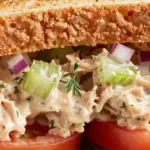
Signature Panera-Style Tuna Salad Sandwich
Ingredients
For the bowl base (serves 4):
- 2 cups cooked quinoa, farro, or mixed greens
- 1 English cucumber, diced
- 1½ cups cherry tomatoes, halved
- 1 (15 oz) can chickpeas, rinsed and drained
- ½ cup Kalamata olives, pitted and halved
- ¼ cup red onion, thinly sliced
- ½ cup crumbled feta cheese (or vegan feta)
- Optional: roasted red peppers, artichoke hearts, or avocado
For the lemon-herb vinaigrette:
- 3 tbsp extra-virgin olive oil
- 2 tbsp fresh lemon juice
- 1 tsp Dijon mustard
- 1 garlic clove, minced
- 1 tsp dried oregano (or 1 tbsp fresh)
- Salt & black pepper to taste
Garnish (optional):
- Fresh parsley or dill
- Lemon zest
- Toasted pine nuts or slivered almonds
Instructions
- Prep base: Divide quinoa or greens among 4 bowls.
- Add veggies & toppings: Arrange cucumber, tomatoes, chickpeas, olives, red onion, and feta evenly over each bowl.
- Make dressing: Whisk olive oil, lemon juice, Dijon, garlic, oregano, salt, and pepper until emulsified.
- Drizzle generously over bowls just before serving.
- Garnish with fresh herbs, lemon zest, or nuts if desired.
💡 Pro Tips:
– Meal prep: Store dressing separately; assemble bowls day-of to keep veggies crisp.
– Boost protein: Add grilled chicken, falafel, or hard-boiled eggs.
– Make it vegan: Skip feta or use plant-based alternative.
– For extra flavor: Marinate chickpeas in 1 tbsp dressing for 10+ minutes before adding.
Prep Time & Nutrition (per serving):
Servings: 4 | Calories: 340 | Net Carbs: 28g | Fats: 20g | Protein: 10g | Fiber: 7g