
Introduction
Self-Saucing Butterscotch Pudding is a classic baked dessert that feels almost magical. With one simple batter and a clever layering of ingredients, it transforms in the oven into a soft, cake-like sponge on top and a rich, warm butterscotch sauce underneath. No stirring, no extra steps—just pour, bake, and watch the sauce create itself.
This dessert is beloved for its comforting flavors, old-fashioned charm, and impressive results with minimal effort. Served warm and spooned straight from the dish, it is the kind of dessert that instantly feels cozy, nostalgic, and indulgent.
Why Self-Saucing Butterscotch Pudding Is So Popular
This pudding has remained a favorite in many households because it delivers maximum comfort with minimal work:
- Creates its own sauce while baking
- Uses simple pantry ingredients
- Feels impressive without complicated techniques
- Perfect for cold evenings and comfort desserts
- Best served warm, fresh from the oven
It is especially popular in British and Australian-style baking, where self-saucing puddings are a timeless tradition.
What Makes a Self-Saucing Pudding Work
The magic of a self-saucing pudding lies in the science of baking. A soft batter is topped with a mixture of brown sugar and boiling water. As the pudding bakes, the batter rises and sets while the liquid sinks, thickening into a luscious sauce beneath the sponge.
The result is two distinct layers:
- A light, tender cake on top
- A deep, glossy butterscotch sauce underneath
Ingredients Overview
This dessert relies on humble, everyday ingredients that come together beautifully.
- All-purpose flour
- Baking powder
- Brown sugar
- Butter
- Milk
- Vanilla extract
- Boiling water
- Salt
Optional additions like cream, nutmeg, or a splash of caramel essence can enhance the flavor.
How to Make Self-Saucing Butterscotch Pudding
Step 1: Prepare the Batter
Cream butter and brown sugar until smooth, then mix in milk and vanilla. Fold in flour, baking powder, and salt to form a thick, smooth batter.
Step 2: Spread in Baking Dish
Transfer the batter to a greased baking dish and smooth the surface evenly.
Step 3: Add the Sauce Layer
Sprinkle brown sugar evenly over the batter. Carefully pour boiling water over the back of a spoon to avoid disturbing the batter.
Step 4: Bake
Bake until the top is set and lightly golden. The sauce will form underneath during baking.
Step 5: Rest Briefly
Allow the pudding to rest for a few minutes before serving so the sauce thickens slightly.
Tips for the Best Results
- Do not stir after adding the boiling water
- Use dark brown sugar for deeper butterscotch flavor
- Serve warm for the best texture
- Use a shallow baking dish for even cooking
These tips help ensure a perfect sponge-and-sauce contrast every time.
Flavor and Texture Profile
Self-Saucing Butterscotch Pudding is:
- Warm and comforting
- Soft and sponge-like on top
- Rich, glossy, and syrupy underneath
- Deeply caramelized with buttery notes
The balance between cake and sauce makes every spoonful satisfying.
Popular Variations
Chocolate Butterscotch Pudding
Add cocoa powder to the batter for a chocolate-butterscotch combination.
Date Butterscotch Pudding
Fold chopped dates into the batter for added sweetness and texture.
Dairy-Free Version
Use plant-based butter and milk alternatives.
Extra-Saucy Version
Increase the brown sugar and water slightly for more sauce.
What to Serve With Butterscotch Pudding
This dessert is best served warm with something cool and creamy:
- Vanilla ice cream
- Whipped cream
- Custard or pouring cream
The contrast in temperature enhances the richness of the pudding.
Storage and Reheating
- Refrigerator: Store covered for up to 3 days
- Reheating: Warm gently in the microwave or oven
The sauce may thicken when chilled but loosens again when reheated.
Frequently Asked Questions
Why didn’t my sauce form?
This usually happens if the water was not hot enough or the pudding was stirred after adding the liquid.
Can I make this ahead of time?
It is best fresh, but leftovers reheat well.
Can I double the recipe?
Yes, simply use a larger baking dish and allow extra baking time.
Why This Recipe Is an Evergreen Classic
Self-Saucing Butterscotch Pudding endures because it delivers comfort, nostalgia, and a sense of wonder. Few desserts offer such dramatic results from such a simple method, making it a favorite across generations.
Final Thoughts
Self-Saucing Butterscotch Pudding is the ultimate comfort dessert—warm, rich, and wonderfully simple. Whether you are serving it after a family dinner or making it for a cozy night in, this pudding proves that classic recipes never go out of style.
If you enjoy easy baked desserts with big rewards, this self-saucing pudding deserves a permanent place in your recipe collection.
Print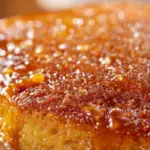
Self-Saucing Butterscotch Pudding
Ingredients
• ½ cup (1 stick / 115g) unsalted butter, softened
• ¾ cup (150g) packed brown sugar
• 1 large egg
• 1 tsp vanilla extract
• ¾ cup (95g) all-purpose flour
• ½ tsp baking powder
• Pinch of salt
• ¾ cup (180ml) whole milk
• ¾ cup (150g) packed brown sugar
• 2 tbsp all-purpose flour
• 1½ cups (360ml) hot water
• Optional: 1–2 tbsp bourbon or rum for depth
Instructions
- Preheat oven to 350°F (175°C). Grease a 2-quart baking dish (or 6 ramekins).
- Batter: In a bowl, beat butter and brown sugar until fluffy. Add egg and vanilla; mix well.
- Whisk flour, baking powder, and salt. Alternate adding dry ingredients and milk to batter, beginning and ending with flour. Spread evenly in dish.
- Sauce base: In a separate bowl, whisk brown sugar and flour. Sprinkle evenly over batter.
- Carefully pour hot water (and bourbon, if using) over the back of a spoon onto the surface—do not stir!
- Bake 35–40 minutes until top is puffed and golden, and sauce bubbles around edges.
- Let rest 5–10 minutes before serving. The sauce will settle beneath the cake layer.
- Serve warm in bowls with vanilla ice cream or whipped cream.
Prep Time: 15 min | Cook Time: 40 min | Total Time: 55 min | Servings: 6 | Calories: 380 | Net Carbs: 62g | Fats: 16g | Protein: 4g