
Fry sauce is one of those simple condiments that instantly elevates any meal. Creamy, tangy, slightly sweet, and endlessly customizable, this iconic sauce has become a staple for French fries, burgers, onion rings, and more. While it may look humble, fry sauce has a rich history, regional fame, and a versatility that makes it far more than “just ketchup and mayonnaise.”
In this comprehensive guide, you’ll learn everything you need to know about fry sauce—from its origins and classic ingredients to variations, uses, storage tips, and why it continues to dominate menus and home kitchens alike.
What Is Fry Sauce?
Fry sauce is a creamy dipping sauce traditionally made from a blend of mayonnaise and ketchup, sometimes enhanced with seasonings like garlic powder, paprika, vinegar, or pickle juice. The result is a smooth, flavorful condiment that balances richness with acidity and subtle sweetness.
Although it is most commonly paired with French fries, fry sauce is incredibly versatile and works well with burgers, sandwiches, chicken, roasted vegetables, and even seafood.
The Origin of Fry Sauce
Fry sauce is widely recognized as a Utah classic, where it gained popularity in the mid-20th century. While similar sauces existed elsewhere, Utah restaurants helped cement fry sauce as a cultural staple.
Local diners and fast-food chains began offering fry sauce as the default fry dip instead of ketchup. Over time, it became so beloved that many Utah residents consider it essential, not optional.
Today, fry sauce has spread far beyond its regional roots and is now enjoyed across the United States and internationally.
Why Fry Sauce Is So Popular
Several factors contribute to fry sauce’s enduring popularity:
- Perfect flavor balance: Creamy, tangy, and slightly sweet
- Simple ingredients: Easy to make at home with pantry staples
- Customizable: Endless variations to suit different tastes
- Crowd-pleaser: Loved by kids and adults alike
- Pairs with everything: Fries, burgers, wraps, and more
This combination of simplicity and versatility makes fry sauce one of the most approachable condiments in modern cooking.
Classic Fry Sauce Ingredients
At its core, fry sauce requires just two ingredients, but most versions include additional flavor boosters.
Base Ingredients
- Mayonnaise
- Ketchup
Common Add-Ins
- Garlic powder
- Onion powder
- Paprika or smoked paprika
- White vinegar or apple cider vinegar
- Pickle juice
- Black pepper
These ingredients enhance the sauce without overpowering its signature taste.
Fry Sauce Flavor Profile
Fry sauce offers a well-rounded flavor experience:
- Creamy from mayonnaise
- Tangy from ketchup and vinegar
- Slightly sweet from tomatoes
- Savory with subtle seasoning
This balance makes it especially effective as a dipping sauce for salty, crispy foods like fries and onion rings.
Popular Fry Sauce Variations
One of the best things about fry sauce is how easily it adapts to different flavor preferences.
Spicy Fry Sauce
Add hot sauce, cayenne pepper, or chili paste for a bold kick.
Smoky Fry Sauce
Use smoked paprika or a dash of barbecue sauce for depth.
Garlic Fry Sauce
Increase garlic powder or add roasted garlic for richness.
Tangy Fry Sauce
Incorporate mustard or extra vinegar for more bite.
Sweet Fry Sauce
Add a touch of honey or maple syrup for subtle sweetness.
These variations allow fry sauce to complement a wide range of cuisines and dishes.
What to Serve With Fry Sauce
Fry sauce is far more versatile than its name suggests.
Classic Pairings
- French fries
- Sweet potato fries
- Tater tots
- Onion rings
Sandwiches and Burgers
- Cheeseburgers
- Chicken sandwiches
- Turkey or veggie burgers
Proteins
- Chicken tenders
- Grilled chicken
- Shrimp
Other Uses
- Wraps and sliders
- Roasted vegetables
- Dipping sauce for appetizers
Its adaptability makes it an excellent all-purpose condiment.
Fry Sauce vs. Similar Sauces
Fry sauce is often compared to other popular condiments.
Fry Sauce vs. Thousand Island
Thousand Island includes relish and has a chunkier texture, while fry sauce is smoother and simpler.
Fry Sauce vs. Russian Dressing
Russian dressing is spicier and more complex, often containing horseradish or chili elements.
Fry Sauce vs. Aioli
Aioli is garlic-forward and typically olive oil-based, whereas fry sauce relies on mayonnaise and ketchup.
Each sauce has its place, but fry sauce stands out for its balance and accessibility.
Is Fry Sauce Healthy?
Fry sauce is best enjoyed in moderation. While it contains fats from mayonnaise and sugars from ketchup, it can be adapted to fit different dietary needs.
Ways to Make It Lighter
- Use light or avocado-oil mayonnaise
- Reduce ketchup for less sugar
- Add Greek yogurt for extra protein
- Control portion sizes
Homemade fry sauce gives you full control over ingredients and nutritional content.
Homemade vs. Store-Bought Fry Sauce
Homemade Fry Sauce
Pros
- Fresh flavor
- Customizable
- No preservatives
Cons
- Shorter shelf life
Store-Bought Fry Sauce
Pros
- Convenient
- Long shelf life
Cons
- Less customizable
- Often contains preservatives
Many people prefer homemade fry sauce because of its freshness and flexibility.
How to Store Fry Sauce
Proper storage ensures freshness and safety.
- Store in an airtight container
- Keep refrigerated at all times
- Use within 5–7 days for best quality
- Always use a clean spoon to avoid contamination
Because it contains mayonnaise, fry sauce should never be left at room temperature for extended periods.
Fry Sauce in Modern Food Culture
Fry sauce has evolved from a regional specialty into a mainstream favorite. It now appears on:
- Fast-food menus
- Gourmet burger restaurants
- Food trucks
- Home kitchens
Chefs and home cooks alike appreciate fry sauce for its ability to enhance comfort food without complexity.
Tips for the Best Fry Sauce
- Use high-quality mayonnaise for a richer texture
- Chill before serving to let flavors meld
- Start simple, then adjust seasonings
- Taste with fries, not a spoon—pairing matters
These small details can make a big difference in the final result.
Frequently Asked Questions About Fry Sauce
What is fry sauce made of?
Traditionally, fry sauce is made from mayonnaise and ketchup, with optional seasonings.
Is fry sauce the same as burger sauce?
They are similar, but burger sauce often includes relish or mustard, while fry sauce is simpler.
Can fry sauce be used as a spread?
Yes, it works well as a spread for burgers, wraps, and sandwiches.
Where did fry sauce originate?
Fry sauce is most closely associated with Utah, where it became a cultural staple.
Why Fry Sauce Belongs in Every Kitchen
Fry sauce is proof that simple ingredients can create something truly special. Its creamy texture, balanced flavor, and adaptability make it a must-have condiment for everyday meals and special occasions alike.
Whether you’re dipping crispy fries, topping a burger, or looking for a quick sauce to elevate leftovers, fry sauce delivers every time.
Final Thoughts
Fry sauce is more than a trend—it’s a timeless condiment that continues to win over food lovers around the world. Easy to make, endlessly customizable, and universally appealing, it deserves a permanent place in your refrigerator.
Once you start using fry sauce, you may never look at plain ketchup the same way again.
Print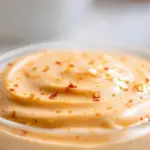
Fry Sauce: The Ultimate Guide to America’s Favorite Dipping Sauce
Ingredients
• ½ cup mayonnaise
• ¼ cup ketchup
• 1 tbsp pickle relish (or finely minced dill pickles)
• 1 tsp white vinegar or lemon juice
• ½ tsp garlic powder
• ½ tsp onion powder
• ¼ tsp paprika
• Pinch of salt & black pepper
• Optional: ½ tsp hot sauce, Worcestershire, or a dash of sugar
Instructions
- In a small bowl, whisk together all ingredients until smooth.
- Taste and adjust—add more relish for tang, ketchup for sweetness, or hot sauce for heat.
- Cover and refrigerate at least 30 minutes to let flavors meld (best if chilled 1–2 hours).
- Serve with french fries, sweet potato fries, tater tots, onion rings, or as a burger spread!
Prep Time: 5 min (+ chilling) | Cook Time: 0 min | Servings: ~12 (1 tbsp each) | Calories: 60 | Net Carbs: 2g | Fats: 6g | Protein: 0g